
Dizziness
5.0 on GoogleHead/mental health-related symptom
Many different factors can cause dizziness. Learn more about potential causes and when to seek medical help for this common but concerning symptom
Book your consultation Call 020 3576 2885

 Registered. Regulated. Trusted.CQC-registered clinic · GMC-registered clinicians
 Dizziness can stem from many causes, but I assure you, most are treatable. If your dizziness is persistent or accompanied by chest pain or palpitations, let’s investigate to rule out any serious heart concerns. With the team and I, you’re in safe hands.

Dr Ravi Assomull, Consultant Cardiologist and Founder
Related heart conditions

Heart block
This condition is when electrical impulses are blocked or delayed in your heart, affecting your heartbeat.

Heart disease
Heart disease (also known as cardiovascular disease) is an umbrella term for conditions affecting the heart and blood vessels.

Heart attack
A heart attack is when the blood supply to the heart gets blocked, causing damage to the muscle.
Tests to further investigate concerns

Heart MRI scan
We can use MRI scans to see a detailed picture of your heart and blood vessels without needing invasive processes.

Echocardiogram
An echocardiogram is an ultrasound scan that shows the heart’s structure and surrounding blood vessels. It allows us to analyse how blood flows through them and assess the heart’s pumping chambers.
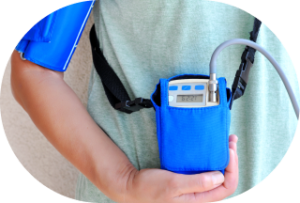
Ambulatory ECG monitor
Ambulatory electrocardiogram (ECG) monitors are devices that help take readings of your heart’s electrical activity during your daily activities over a longer period of time.
Book your consultation with Dr Ravi Assomull today
Looking after your heart is the most important thing you can do to improve your longevity and quality of life in the long term.
We’re here for you during your journey to better heart health. We provide tests and management strategies to help identify what might be wrong and where you can improve your lifestyle to reach prime heart health.

Book an appointment today to speak to our expert Integrative Cardiologist, Dr Ravi Assomull, about your heart concerns.
You can email us at: enquiries@cardiologist.london
Or call us at: 020 3576 2885
Frequently asked questions
Answers from the team at Cardiologist London. For personalised advice, book a consultation or call 020 3576 2885.
When is dizziness a heart problem?
Dizziness with palpitations, chest discomfort, breathlessness, or that comes on with standing or exertion can point to a rhythm disturbance, a blood pressure problem or a structural heart issue. Dizziness with loss of consciousness should always be assessed promptly.
What is the difference between dizziness and vertigo?
Vertigo is a spinning sensation, usually from the inner ear or balance system. Light-headedness - feeling faint or 'about to pass out' - more often relates to blood pressure or heart rhythm, which is where cardiology assessment adds value.
What tests investigate cardiac dizziness?
An ECG, an ambulatory ECG monitor to capture rhythm during real-life episodes, a 24-hour blood pressure monitor, blood tests and an echocardiogram. If fainting is triggered by standing, a tilt table test can reproduce and diagnose the mechanism safely.