
Conditions
Slow heart rate
5.0 on GoogleConcerned about your low resting heart rate? Understand the causes, symptoms, and the management options we recommend for bradycardia.

 Registered. Regulated. Trusted.CQC-registered clinic · GMC-registered clinicians
 I understand that experiencing a slow heart rate can be concerning. I am committed to providing compassionate and comprehensive care for your individual needs.

Dr Ravi Assomull, Consultant Cardiologist and Founder
Key symptoms of Slow heart rate
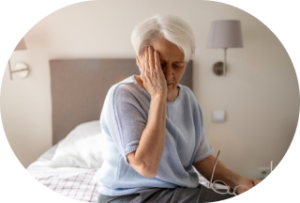
Fatigue or feeling weak
Fatigue is the feeling that you lack the energy or motivation to do anything physically and mentally. Sometimes, you may feel like you can’t keep your eyes open or find it difficult to do tasks because of tiredness.

Getting tired easily during exercise
This is when you abnormally are out of breath and exhausted from exercise when you wouldn’t normally be.

Shortness of breath
Shortness of breath is when you find breathing challenging, wheezing, or breathlessness. Other heart conditions such as angina, atrial fibrillation, and heart failure can all cause shortness of breath.
Recommended tests for Slow heart rate
Tilt table test
This test involves changing your position while strapped to a turning table to see how your heart rate, rhythm, and blood pressure respond.

Stress tests
This test involves monitoring your heart rate whilst you are exercising – either on a treadmill or an exercise bike. This can help us detect any abnormalities while you are overexerting your heart.
Holter monitor
This test helps us take readings of your heart’s electrical activity during your daily activities and over a longer period of time. This allows us to detect any abnormalities outside of the clinic.
Book your consultation with Dr Ravi Assomull today
Looking after your heart is the most important thing you can do to improve your longevity and quality of life in the long term.
We’re here for you during your journey to better heart health. We provide tests and management strategies to help identify what might be wrong and where you can improve your lifestyle to reach prime heart health.

Book an appointment today to speak to our expert Integrative Cardiologist, Dr Ravi Assomull, about your heart concerns.
You can email us at: enquiries@cardiologist.london
Or call us at: 020 3576 2885
Frequently asked questions
Answers from the team at Cardiologist London. For personalised advice, book a consultation or call 020 3576 2885.
What is a slow heart rate?
A resting heart rate below 60 beats per minute is called bradycardia. In fit, healthy people - especially athletes and during sleep - a slow rate is often completely normal. It becomes significant when it causes symptoms or results from a problem in the heart's electrical system.
What symptoms can a slow heart rate cause?
Fatigue, dizziness or light-headedness, reduced exercise capacity, breathlessness and fainting episodes. If a slow pulse is accompanied by blackouts or collapse, seek urgent medical attention.
Will I need a pacemaker?
Only a minority of people with bradycardia need one. If tests show the slow rate is caused by a significant conduction problem - such as certain types of heart block - and it is causing symptoms, a pacemaker is a very effective, well-established treatment. The first step is accurate diagnosis with an ECG and ambulatory monitoring.