
Conditions

Cardiomyopathy

5.0 on Google

Cardiomyopathy is a disease of the heart muscle itself, which may be inherited or acquired. Learn about the different types, the symptoms to look out for, and how advanced cardiac imaging enables precise diagnosis and treatment.

Care Quality Commission (CQC) registeredGeneral Medical Council (GMC) registered cliniciansRegistered. Regulated. Trusted.CQC-registered clinic · GMC-registered clinicians

Heart muscle disease is the field I have spent much of my career imaging and researching. Modern cardiac MRI lets us characterise the heart muscle in remarkable detail, and that precision transforms how confidently we can diagnose, reassure and treat.

 

Book your consultation

Dr Ravi Assomull, private cardiologist in London

Dr Ravi Assomull, Consultant Cardiologist and Founder

What is cardiomyopathy?

Cardiomyopathy means disease of the heart muscle itself. Unlike coronary artery disease, where the problem lies in the blood vessels supplying the heart, in cardiomyopathy the muscle tissue is abnormal: it may become stretched and weakened, abnormally thickened, or stiff. This affects how effectively the heart pumps and can also disturb its electrical rhythm.

Cardiomyopathies affect people of all ages, including the young and athletic, and many forms run in families. Together they are estimated to affect around 1 in 250 to 1 in 500 people, and many live without symptoms for years. That is why accurate diagnosis matters so much: it identifies the people who need treatment or protection from rhythm problems, provides reassurance and clear guidance for those with milder forms, and flags relatives who should be offered screening.

With modern assessment and management, the outlook for most people with cardiomyopathy is good, and the majority live full, active lives.


Types of cardiomyopathy

Dilated cardiomyopathy (DCM)

The most common form. The main pumping chamber enlarges and its walls become thin and weak, reducing the amount of blood pumped with each beat. DCM may be inherited, follow a viral illness or myocarditis, or be related to alcohol, pregnancy or certain medical treatments. It is a common cause of heart failure in younger adults.

Hypertrophic cardiomyopathy (HCM)

An inherited condition in which part of the heart muscle, usually the wall between the pumping chambers, becomes abnormally thick. Many people have few or no symptoms; others experience breathlessness, chest pain, palpitations or blackouts, particularly with exertion. HCM is one of the conditions screened for in athletes, and with proper assessment and follow-up the great majority of people with HCM live normal lives.

Arrhythmogenic cardiomyopathy

A group of inherited conditions in which muscle tissue is gradually replaced by fatty or scar tissue, making the heart prone to rhythm disturbances. Recognising it matters because exercise intensity may need tailoring and some people benefit from protective treatment.

Restrictive and other cardiomyopathies

Less commonly, the muscle becomes stiff and cannot fill properly, sometimes due to infiltrative conditions such as amyloidosis or sarcoidosis. Takotsubo (stress) cardiomyopathy is a sudden, usually temporary weakening of the heart muscle that typically follows intense emotional or physical stress and generally recovers fully.


Symptoms

Symptoms vary widely with the type and severity, and some people have none at all. Possible symptoms include:

  • Shortness of breath on exertion or lying flat
  • Palpitations or a fluttering, racing heartbeat
  • Chest pain or tightness, especially with exercise
  • Fainting or near-blackouts, particularly during or just after exertion
  • Fatigue and reduced exercise capacity
  • Swelling of the legs, ankles or abdomen

Fainting during exercise, or a family history of cardiomyopathy or sudden unexplained death under the age of about 50, should always prompt specialist assessment. If someone collapses and does not quickly recover, call 999 immediately.


Causes and genetics

Many cardiomyopathies are genetic, caused by changes in the genes that build heart muscle proteins, and are passed down in families, typically with a 50 per cent chance of inheriting the gene from an affected parent. Carrying a gene does not necessarily mean developing significant disease, which is why expert interpretation matters. Acquired causes include viral myocarditis, sustained high blood pressure, excess alcohol, some chemotherapy agents, thyroid and metabolic disease, and pregnancy. Often several factors combine.

Because of the inherited element, when cardiomyopathy is diagnosed we will discuss whether genetic testing is appropriate and whether first-degree relatives, parents, siblings and children, should be offered screening, usually with an ECG and echocardiogram. Early screening is simple and can be genuinely life-protecting.


Diagnosis

Assessment begins with a detailed personal and family history and examination, followed by an electrocardiogram (ECG), which is often the first test to show an abnormality, and an echocardiogram to measure the thickness, size and pumping function of the heart's chambers.

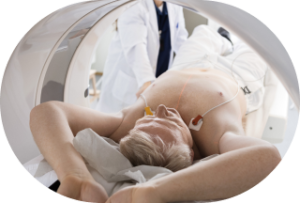
The definitive investigation in most suspected cardiomyopathy is a cardiac MRI scan. Dr Assomull is a recognised expert in cardiovascular magnetic resonance, having directed a cardiac MRI service in the NHS and published prize-winning research in this field. Cardiac MRI precisely characterises the heart muscle, distinguishes an athlete's healthy adaptation from true disease, detects scarring and inflammation invisible to other tests, and often identifies the specific type of cardiomyopathy. An ambulatory ECG monitor is frequently added to look for rhythm disturbances, and blood tests help exclude contributing conditions.


Treatment

Treatment is tailored to the type of cardiomyopathy, your symptoms and your individual risk profile. Medication may include beta-blockers, ACE inhibitors or newer heart failure therapies for weakened hearts, drugs to control rhythm disturbances, and anticoagulation where atrial fibrillation develops. Newer targeted treatments now exist for specific conditions, including myosin inhibitors for obstructive HCM and disease-modifying therapy for cardiac amyloidosis, making precise diagnosis more valuable than ever.

For some people, further treatment is appropriate: an implantable defibrillator where the risk of dangerous rhythms is elevated, procedures to relieve obstruction in HCM, or ablation of troublesome arrhythmias. Exercise is beneficial for most people with cardiomyopathy, but intensity needs individual guidance, and this is an area where Dr Assomull's interest in sports cardiology allows genuinely personalised advice, including structured return-to-sport planning for athletes.


Our integrative cardiology approach

At Cardiologist London, cardiomyopathy care combines precision imaging with whole-person management: rhythm surveillance, family screening, medication fine-tuning, and attention to the lifestyle factors, sleep, alcohol, training load, stress and metabolic health, that influence how your heart muscle behaves. You will leave every consultation understanding your heart, your risk and your plan.

If you have symptoms, an abnormal ECG or scan, or a family history of cardiomyopathy or sudden cardiac death, book a consultation at our Harley Street clinic for a definitive assessment.

Key symptoms of Cardiomyopathy

shortness-of-breath

Shortness of breath

Shortness of breath is when you find breathing challenging, wheezing, or breathlessness. Other heart conditions such as angina, atrial fibrillation, and heart failure can all cause shortness of breath.
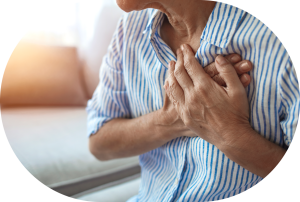
Image heart disease

Palpitations

Heart palpitations are the feeling that your heart is fluttering, racing, pounding, or like you’ve missed heartbeats. Palpitations can happen anytime, even while resting, and may be felt in the chest, neck, or throat.

Image heart disease

Fainting

Fainting is a temporary loss of consciousness as a result of reduced blood flow to the brain. This can be caused by many different factors, including issues related to the heart.

Recommended tests for Cardiomyopathy
heart-MRI-scan

Heart MRI scan

We can use MRI scans to see a detailed picture of your heart and blood vessels without needing invasive processes.
 

Echocardiogram

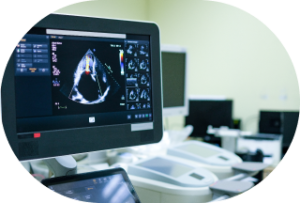
Echocardiogram

An echocardiogram is an ultrasound scan that shows the heart’s structure and surrounding blood vessels. It allows us to analyse how blood flows through them and assess the heart’s pumping chambers.
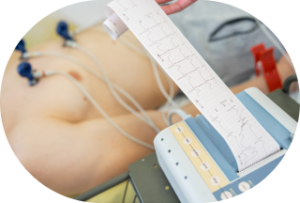
Electrocardiogram (ECG)

Electrocardiogram (ECG or EKG)

An electrocardiogram is a test that measures and records your heart’s electrical activity and rhythm, including the strength and speed of your heartbeat.

Book your consultation 
with Dr Ravi Assomull today


Looking after your heart is the most important thing you can do to improve your longevity and quality of life in the long term.

We’re here for you during your journey to better heart health. We provide tests and management strategies to help identify what might be wrong and where you can improve your lifestyle to reach prime heart health.

Dr Ravi Assomull – Consultant Cardiologist, Harley Street, London

Book an appointment today to speak to our expert Integrative Cardiologist, Dr Ravi Assomull, about your heart concerns.

You can email us at: enquiries@cardiologist.london

Or call us at: 020 3576 2885


    We typically respond within 1 working day

    Frequently asked questions

    Short answers from Dr Ravi Assomull, consultant cardiologist - each one is also available as a video.

    What is dilated cardiomyopathy (DCM)?

    Dr Ravi Assomull explains dilated cardiomyopathy, a condition in which the heart’s main pumping chamber becomes enlarged and less effective at pumping blood. Early diagnosis and appropriate treatment are important to manage symptoms and protect long-term heart function. Watch Dr Assomull's answer (00:13).

    What causes dilated cardiomyopathy (DCM)?

    Dilated cardiomyopathy can develop for several different reasons. Dr Ravi Assomull explains common causes including genetic factors, excessive alcohol consumption, viral infections affecting the heart muscle and pregnancy-related cardiomyopathy. In many cases, however, no clear cause is identified. Watch Dr Assomull's answer (00:40).

    What are the symptoms of dilated cardiomyopathy (DCM)?

    Dilated cardiomyopathy can present with a range of symptoms including breathlessness, fatigue, palpitations and dizziness. Dr Ravi Assomull also explains that some people may have no symptoms at all, with the condition sometimes discovered incidentally during cardiac investigations. Watch Dr Assomull's answer (00:21).

    How is dilated cardiomyopathy (DCM) diagnosed?

    Diagnosing dilated cardiomyopathy involves a combination of cardiac investigations. Dr Ravi Assomull outlines the key tests used to confirm the condition, including ECG, echocardiography, cardiac MRI and blood biomarkers such as NT-proBNP, which help assess heart function and signs of heart failure. Watch Dr Assomull's answer (00:21).

    Is dilated cardiomyopathy (DCM) inherited and should my family be screened?

    Around one in five cases of dilated cardiomyopathy has a genetic cause. Dr Ravi Assomull explains why first-degree relatives should be screened with tests such as an ECG and echocardiogram, helping identify inherited heart conditions early and guide appropriate monitoring. Watch Dr Assomull's answer (00:20).

    What is the prognosis for dilated cardiomyopathy (DCM)?

    The outlook for patients with dilated cardiomyopathy varies depending on severity and response to treatment. Dr Ravi Assomull explains how modern therapies have improved survival and quality of life, with some patients experiencing substantial recovery of heart function. Watch Dr Assomull's answer (00:30).

    What our patients think


    Dr Assomull holds Doctify’s 2025 Outstanding Patient Experience award – explore our reviews and testimonials.