
Conditions

Heart valve disease

5.0 on Google

Heart valve disease occurs when one or more of the heart's valves does not open or close properly, often first noticed as a murmur. Learn about the types, symptoms, diagnosis and treatment options.


Care Quality Commission (CQC) registeredGeneral Medical Council (GMC) registered cliniciansRegistered. Regulated. Trusted.CQC-registered clinic · GMC-registered clinicians

Many valve problems are first picked up as a murmur long before any symptoms appear. Found early, we can monitor a valve safely for years and choose exactly the right time to act – and that timing makes all the difference.

 

Book your consultation

Dr Ravi Assomull, private cardiologist in London

Dr Ravi Assomull, Consultant Cardiologist and Founder

What is heart valve disease?

Your heart has four valves, the aortic, mitral, tricuspid and pulmonary valves, which act as one-way doors keeping blood moving in the right direction through the heart. Heart valve disease means one or more of these valves is not working properly, forcing the heart to work harder to pump the same amount of blood.

Valve problems take two main forms. Stenosis means a valve has become stiff or narrowed and does not open fully, restricting blood flow. Regurgitation (also called a leaky valve or valve incompetence) means the valve does not close properly, allowing blood to leak backwards. Some valves can be both narrowed and leaky at the same time.

Valve disease is common and becomes more so with age; significant disease affects around one in eight people over 75. Many valve conditions progress slowly over years, which is precisely why expert assessment and structured monitoring matter: they allow treatment at the right moment, before the heart suffers lasting strain.


Heart murmurs

A heart murmur is an extra sound made by turbulent blood flow, often heard through a stethoscope during a routine examination. Murmurs are frequently innocent, particularly in young people, but they can be the first clue to a valve problem, and a new murmur in an adult should always be properly investigated. An echocardiogram can quickly and painlessly show whether a murmur reflects a genuine valve abnormality or is nothing to worry about, giving you a clear answer and peace of mind.


Types of valve disease

Aortic valve disease

The aortic valve controls blood flow from the main pumping chamber to the body. Aortic stenosis, a progressive stiffening and narrowing of the valve, is the most common significant valve condition in the UK and can cause breathlessness, chest tightness, dizziness or blackouts, typically on exertion. Aortic regurgitation, a leaking aortic valve, places a volume load on the heart and may progress silently for years.

Mitral valve disease

The mitral valve sits between the heart's left-sided chambers. Mitral regurgitation, often caused by mitral valve prolapse where the valve leaflets are floppy, is the most common leaky valve. It can cause breathlessness, fatigue and palpitations, and is a frequent cause of atrial fibrillation. Mitral stenosis is now less common in the UK but still seen, particularly after rheumatic fever earlier in life.

Tricuspid and pulmonary valve disease

The right-sided valves can also leak or narrow, often secondary to other heart or lung conditions. Tricuspid regurgitation commonly causes fluid retention with swelling of the legs and ankles, and is increasingly treatable.


Symptoms

Mild valve disease usually causes no symptoms at all. As a valve problem becomes more significant, you may notice:

Because valve disease often progresses gradually, many people unconsciously slow down and attribute their symptoms to age or fitness. A step-change in what you can comfortably do is always worth investigating. If you experience exertional chest pain or blackouts, seek medical assessment urgently; if severe symptoms occur at rest, call 999.


Causes

Valve disease may result from age-related degeneration and calcification, congenital abnormalities such as a bicuspid aortic valve, mitral valve prolapse, infection of a valve (endocarditis), rheumatic fever, a previous heart attack affecting the valve's supporting structures, or enlargement of the heart from high blood pressure or cardiomyopathy. Some cancer treatments and radiotherapy can also affect the valves years later.


Diagnosis

Assessment starts with a careful history and examination. The central investigation is an echocardiogram, an ultrasound scan that shows each valve in motion, measures how narrowed or leaky it is, and assesses the effect on the heart's chambers and pressures. An ECG checks the heart rhythm, and blood tests including NT-proBNP help gauge strain on the heart.

Where more detail is needed, a cardiac MRI scan, Dr Assomull's specialist field, precisely quantifies leaking valves and the heart's response to them, which is often pivotal in deciding the timing of intervention. Occasionally a stress echocardiogram is used to see how a valve behaves during exercise.


Treatment

Monitoring

Many valve conditions simply need structured surveillance: a scheduled echocardiogram every six to twenty-four months depending on severity, with prompt review if symptoms change. Good monitoring means intervention happens at the optimal moment, neither too early nor too late.

Medication

No tablet can reverse a valve narrowing, but medication plays an important supporting role: controlling blood pressure to reduce strain on a leaking valve, managing fluid retention, treating atrial fibrillation and protecting against stroke where needed.

Valve repair and replacement

When a valve problem becomes severe or symptomatic, definitive treatment is highly effective. Options include surgical valve repair or replacement and, increasingly, keyhole procedures such as TAVI (transcatheter aortic valve implantation) for aortic stenosis and edge-to-edge repair for mitral regurgitation, which avoid open surgery in suitable patients. We will explain the options relevant to your valve clearly and guide you to the right specialist team at the right time.


Our integrative cardiology approach

At Cardiologist London, valve care means more than measuring a valve. Dr Assomull combines meticulous imaging with attention to everything that influences how well you live with a valve condition: blood pressure control, rhythm management, exercise guidance tailored to your valve, nutrition, sleep and cardiovascular risk. You will always understand what your valve is doing, what the plan is, and exactly when and why any intervention would be recommended.

If you have been told you have a murmur or a valve problem, or you simply want a definitive assessment, book a consultation at our Harley Street clinic.

Key symptoms of Heart valve disease

shortness-of-breath

Shortness of breath

Shortness of breath is when you find breathing challenging, wheezing, or breathlessness. Other heart conditions such as angina, atrial fibrillation, and heart failure can all cause shortness of breath.

Fatigue

Fatigue

Fatigue is the feeling that you lack the energy or motivation to do anything physically and mentally.

Image heart disease

Palpitations

Heart palpitations are the feeling that your heart is fluttering, racing, pounding, or like you’ve missed heartbeats. Palpitations can happen anytime, even while resting, and may be felt in the chest, neck, or throat.

Recommended tests for Heart valve disease
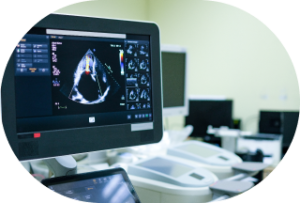
Echocardiogram

Echocardiogram

An echocardiogram is an ultrasound scan that shows the heart’s structure and surrounding blood vessels. It allows us to analyse how blood flows through them and assess the heart’s pumping chambers.
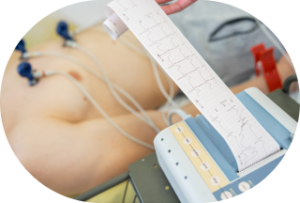
Electrocardiogram (ECG)

Electrocardiogram (ECG or EKG)

An electrocardiogram is a test that measures and records your heart’s electrical activity and rhythm, including the strength and speed of your heartbeat.
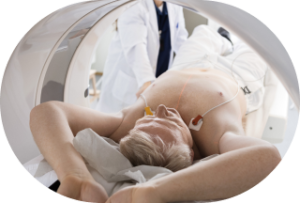
heart-MRI-scan

Heart MRI scan

We can use MRI scans to see a detailed picture of your heart and blood vessels without needing invasive processes.


Book your consultation 
with Dr Ravi Assomull today


Looking after your heart is the most important thing you can do to improve your longevity and quality of life in the long term.

We’re here for you during your journey to better heart health. We provide tests and management strategies to help identify what might be wrong and where you can improve your lifestyle to reach prime heart health.

Dr Ravi Assomull – Consultant Cardiologist, Harley Street, London

Book an appointment today to speak to our expert Integrative Cardiologist, Dr Ravi Assomull, about your heart concerns.

You can email us at: enquiries@cardiologist.london

Or call us at: 020 3576 2885


    We typically respond within 1 working day

    Frequently asked questions

    Short answers from Dr Ravi Assomull, consultant cardiologist - each one is also available as a video.

    What is an aortic valve?

    The function of the aortic valve and its role in controlling blood flow from the heart is clearly explained. In this video, Dr Ravi Assomull describes the normal structure of the valve and why it is vital for healthy circulation. Watch Dr Assomull's answer (0:19).

    What is a bicuspid aortic valve and how common is it?

    A clear overview of what a bicuspid aortic valve is and how common it is within the population is provided. In this video, Dr Ravi Assomull explains how this congenital condition differs from a normal aortic valve. Watch Dr Assomull's answer (0:22).

    Why is it important to know if you have a bicuspid aortic valve?

    The long term implications of having a bicuspid aortic valve are discussed, including valve degeneration and aortic enlargement. In this video, Dr Ravi Assomull, a Private Cardiologist in London, explains why early diagnosis and monitoring are important. Watch Dr Assomull's answer (0:43).

    Is a bicuspid aortic valve inherited and should family members be screened?

    The inherited nature of bicuspid aortic valve disease is explored along with the importance of family screening. In this video, Dr Ravi Assomull explains why first degree relatives should undergo echocardiographic assessment. Watch Dr Assomull's answer (0:29).

    How often does a bicuspid aortic valve need monitoring and scans?

    Follow up and monitoring requirements for a bicuspid aortic valve are discussed based on valve function and disease severity. In this video, Dr Ravi Assomull, a Private Cardiologist in London, explains how scan frequency is tailored to each patient. Watch Dr Assomull's answer (0:38).

    How is a bicuspid aortic valve diagnosed and what tests are used?

    The process of diagnosing a bicuspid aortic valve is outlined, from detecting a heart murmur to using imaging tests. In this video, Dr Ravi Assomull, a Private Cardiologist in London, explains the role of echocardiography, CT scans, and cardiac MRI. Watch Dr Assomull's answer (0:41).

    What our patients think


    Dr Assomull holds Doctify’s 2025 Outstanding Patient Experience award – explore our reviews and testimonials.