
High blood pressure
5.0 on GoogleHigh blood pressure can lead to serious health problems. Learn how we can help you manage your condition and live a healthier life.

 Registered. Regulated. Trusted.CQC-registered clinic · GMC-registered clinicians
 Often called the ‘silent killer’, high blood pressure can have serious consequences. Don’t let it go unchecked. Our clinic offers comprehensive care to help you manage your blood pressure and live a healthier life.
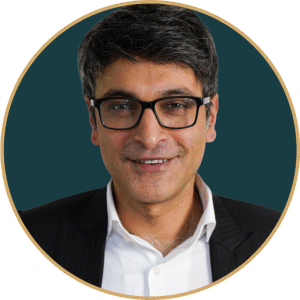
Dr Ravi Assomull, Consultant Cardiologist and Founder
Video FAQs
View our short videos designed specifically to answer your questions


Summary
Hypertension is the number one modifiable risk factor for heart attacks and strokes, yet millions of people in the UK have no idea they even have it. In this video, Dr Ravi Assomull explains why high blood pressure is such a serious threat, why it often goes unnoticed, and how simple changes can make a life-saving difference. ✅ Learn how to check your blood pressure ✅ Understand the risks of untreated hypertension ✅ Discover how lifestyle and medication can help you stay in control
Transcript
In this video I want to talk to you about something that affects a lot of people, often without them even knowing about it, and that's high blood pressure. Did you know that hypertension is the number one modifiable risk factor that we can actually change to protect ourselves from heart disease and strokes? It's true and yet around 30% of adults in the UK have it. That's about 16 million people and at least half aren't getting the treatment they need. Even more worrying, up to five and a half million adults could be walking around undiagnosed. That means no symptoms, no warning signs, but a much higher degree of serious problems down the line. In fact, high blood pressure is linked to about half of all heart attacks and strokes and for every 20 points your blood pressure rises above normal, your risk of dying from heart disease doubles. But here's the good news, we can do something about it. Hypertension is completely manageable. Sometimes all it takes is a bit of a change in your lifestyle that may mean healthier meals, a bit more movement, keeping an eye on your stress and sometimes you may need medication as well. The most important step? Knowing your numbers. Checking your blood pressure is quick, easy and it could save your life.

Summary
High blood pressure increases the risk of heart attack and stroke. In this video, Dr Ravi Assomull explains causes, thresholds, and why treatment is essential.
Transcript
High blood pressure refers to the pressure in your vascular system. A blood pressure of over 135 over 85 on home readings is considered to represent high blood pressure. High blood pressure is important to diagnose and to treat because for every 20 mmHg your blood pressure is above target limit, your risk of a stroke or heart attacks in your lifetime doubles. In terms of the causes of high blood pressure, this tends to be part and parcel of the ageing process as your blood vessels stiffen. But high blood pressure can actually be triggered by changes in your lifestyle. So if you're overweight, if your nutrition is poor, specifically if you take lots of ultra-processed foods which tend to be high in salt, this can also raise your blood pressure. Finally, a lack of exercise, a lack of sleep can also result in elevation to your blood pressure and stress may be an underlying cause of all of these factors.

Summary
Blood pressure is influenced by age, stress, diet, exercise, and sleep. In this video, Dr Ravi Assomull explains which factors most commonly raise blood pressure.
Transcript
Blood pressure tends to rise as you get older. You can consider it part of the aging process. However, there are obvious lifestyle factors that can also elevate your blood pressure. Stress is one of them. But there are things we can have perhaps more control of, and that includes what we eat, how much we exercise, and how well we sleep.

Summary
High blood pressure always requires treatment, but this starts with lifestyle modification. In this video, Dr Ravi Assomull describes how diet, exercise, sleep, and medication work together to control hypertension.
Transcript
High blood pressure definitely needs treatment. The question is what kind of treatment? When we think of treatment we often think of tablets but actually that's probably the wrong approach. Treatment has to be founded on carefully crafted lifestyle modification. This includes a thoughtful approach to nutrition, a well-planned exercise program and making sure that you get adequate sleep. That along with medication should be able to get everyone's blood pressure to target limits.

Summary
In this video, we walk you through what it’s like to wear a 24-hour blood pressure monitor: a simple, painless and highly effective way to get a full picture of how your blood pressure behaves throughout the day and night. Dr Ravi Assomull’s team shows you how the device is fitted and what to expect during the monitoring period. This test helps identify hidden hypertension and improves long-term heart health.
Transcript
In this video we demonstrate the simple process of getting fitted with a 24-hour blood pressure monitor. A member of our team will explain everything and show you the monitor. It's smaller and lighter than you might expect. First, a comfortable cuff is placed around your upper arm. This is typically your non-dominant arm. It works just like the one you use during a blood pressure check. The cuff connects to a small machine that you wear around your waist. It's easy to carry and doesn't get in the way. The monitor will automatically check your blood pressure at regular times throughout the day and night. You don't have to do anything. Typically the cuff inflates every half hour during the day and every hour during the night. You'll go about your usual activities but it's best to avoid vigorous exercise and keep the monitor dry. After 24 hours you'll return the monitor so we can review your results and get a complete picture of your blood pressure. It's a simple and important step towards protecting your heart health. Know your numbers. Protect your heart.

Summary
Hypertension refers to persistently raised blood pressure. In this video, Dr Ravi Assomull explains how blood pressure targets are defined.
Transcript
Hypertension refers to the raised pressure in the vascular system of your body. Typically, we expect your blood pressure to be less than 135 mmHg when your heart is contracting and less than 85 mmHg when your heart is relaxed.

Summary
Blood pressure rises naturally with age but is strongly influenced by lifestyle. In this video, Dr Ravi Assomull explains common causes of hypertension and when secondary causes need investigation.
Transcript
Hypertension can almost be regarded as part of the aging process. As you get older your blood pressure rises and it isn't unnatural or uncommon for people above the age of 50 to find that they've developed hypertension. This is caused by stiffening of the blood vessels in the vascular system. What we should also talk about is the role of lifestyle. Often if you're overweight, don't exercise adequately or eat the wrong kind of food, especially ultra processed foods, that can raise your blood pressure. The good news is if we target these lifestyle measures you can often normalize your blood pressure without needing treatments such as tablets. In a small proportion of people, especially if you're very young and you develop high blood pressure, we need to rule out what we call secondary causes of hypertension which are causes of hypertension that result from typically structural or hormonal imbalances in the body.

Summary
High blood pressure often causes no symptoms, which is why it is called a silent killer. In this video, Dr Ravi Assomull explains why early diagnosis is essential to reduce stroke and heart attack risk.
Transcript
Hypertension is called a silent killer for a very good reason. That's because pretty much everyone with high blood pressure has no symptoms at all. It's really important we make this diagnosis because we know that for every 20 mmHg your blood pressure is above the target limits, your lifetime risk of stroke or heart attack doubles.

Summary
Diagnosing hypertension requires more than a single raised reading in clinic. In this video, Dr Ravi Assomull explains how home and 24 hour blood pressure monitoring are used to confirm the diagnosis.
Transcript
Hypertension is typically diagnosed when you have a screening measurement, typically as a medical or as a check-up with your GP. Now, it's important to say that a raised blood pressure in this setting needs to be taken with a pinch of salt, because approximately 25% of patients will have artifactually elevated blood pressures in a clinical setting. We refer to this as white coat hypertension. To ensure that we make the diagnosis of hypertension robustly, we offer two further approaches. You may be asked to wear a 24-hour blood pressure monitor, which measures your blood pressure every half hour during the day and every hour during the night. We then take the average of that blood pressure and typically focus on the daytime readings to make the diagnosis of hypertension. Conversely, if you prefer, you may wish to procure your own blood pressure monitor and check your blood pressure over the course of seven days, morning and evening. And once more, we take that average blood pressure reading to diagnose or refute the presence of hypertension.

Summary
High blood pressure can be treated effectively and sometimes improved with lifestyle changes alone. In this video, Dr Ravi Assomull explains how nutrition, exercise, sleep, and medication work together to control hypertension.
Transcript
Hypertension can definitely be treated and the obvious treatment that we all know about are tablets. However, what we don't necessarily focus on, which I think is a pity and in my opinion is equally important, is lifestyle modification. Avoiding certain foods, ensuring that your nutrition is absolutely spot on. Coupling that with a carefully crafted exercise program and ensuring you get adequate sleep can provide at least as much benefit as taking tablets. And then the long run may actually provide you with the opportunity of coming off some of these tablets.
Key symptoms of high blood pressure

Shortness of breath
Shortness of breath is when you find breathing challenging, wheezing, or breathlessness. Other heart conditions such as angina, atrial fibrillation, and heart failure can all cause shortness of breath.

Dizziness
Dizziness is the sensation of feeling off balance or light-headed. You may feel as though your surroundings or you are spinning or moving (called vertigo).

Chest pain
Chest pain is the sensation of pain in the breast area. You may feel squeezing, pressing, tightness, burning, or a heaviness radiating to the neck, shoulder, and left arm.
Recommended tests for high blood pressure

24-hour blood pressure monitor
A 24-hour blood pressure monitor is a portable blood pressure cuff attached to a small recording device to help detect your pressure levels outside the clinic setting.

Blood tests
Blood tests help us assess how well your heart functions, identify risk factors and monitor certain heart conditions.
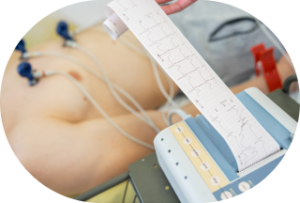
Electrocardiogram (ECG)
An electrocardiogram is a test that measures and records your heart’s electrical activity and rhythm, including the strength and speed of your heartbeat.
Book your consultation with Dr Ravi Assomull today
Looking after your heart is the most important thing you can do to improve your longevity and quality of life in the long term.
We’re here for you during your journey to better heart health. We provide tests and management strategies to help identify what might be wrong and where you can improve your lifestyle to reach prime heart health.
Book an appointment today to speak to our expert Integrative Cardiologist, Dr Ravi Assomull, about your heart concerns.
You can email us at: enquiries@cardiologist.london
Or call us at: 020 3576 2885
Frequently asked questions
Short answers from Dr Ravi Assomull, consultant cardiologist - each one is also available as a video.
What is high blood pressure?
High blood pressure increases the risk of heart attack and stroke. In this video, Dr Ravi Assomull explains causes, thresholds, and why treatment is essential. Watch Dr Assomull's answer (1:05).
What raises blood pressure?
Blood pressure is influenced by age, stress, diet, exercise, and sleep. In this video, Dr Ravi Assomull explains which factors most commonly raise blood pressure. Watch Dr Assomull's answer (0:24).
If I have high blood pressure, do I need treatment?
High blood pressure always requires treatment, but this starts with lifestyle modification. In this video, Dr Ravi Assomull describes how diet, exercise, sleep, and medication work together to control hypertension. Watch Dr Assomull's answer (0:37).
What is hypertension?
Hypertension refers to persistently raised blood pressure. In this video, Dr Ravi Assomull explains how blood pressure targets are defined. Watch Dr Assomull's answer (0:22).
What can cause hypertension?
Blood pressure rises naturally with age but is strongly influenced by lifestyle. In this video, Dr Ravi Assomull explains common causes of hypertension and when secondary causes need investigation. Watch Dr Assomull's answer (1:03).
What are the signs and symptoms of hypertension?
High blood pressure often causes no symptoms, which is why it is called a silent killer. In this video, Dr Ravi Assomull explains why early diagnosis is essential to reduce stroke and heart attack risk. Watch Dr Assomull's answer (0:27).