
Conditions
Heart disease
5.0 on GoogleUnderstand heart disease – symptoms, risk factors, and treatments. Our specialists offer advanced diagnostics and personalised care to improve heart health.

 Registered. Regulated. Trusted.CQC-registered clinic · GMC-registered clinicians
 Heart disease doesn’t discriminate. It’s a silent threat that can affect anyone, regardless of age or lifestyle. By prioritising heart health, we can empower ourselves to live longer, healthier lives.

Dr Ravi Assomull, Consultant Cardiologist and Founder
Video FAQs
View our short videos designed specifically to answer your questions


Summary
Coronary heart disease results from plaque build up in the heart arteries. In this video, Dr Ravi Assomull explains how stable disease differs from a heart attack.
Transcript
Coronary heart disease refers to the gradual accumulation of fatty deposits in the blood vessel supplying your heart. We refer to these as coronary arteries. Coronary heart disease can be stable and progressive over time where typically the plaque gradually increases in terms of its size and causes a progressive narrowing in the coronary arteries. A more worrying form of coronary heart disease is an acute myocardial infarction where a tiny looking plaque suddenly ruptures are typically a plaque that causes maybe a 30-40% narrowing suddenly ruptures causing the aggregation of clotting products and a complete blockage of the heart artery. This results in the symptoms of a heart attack which are classically crushing central chest pain with radiation to your arm or jaw associated with other symptoms such as nausea and sweating.

Summary
Heart disease can be silent or present with exertional chest pain and breathlessness. In this video, Dr Ravi Assomull explains how symptoms develop and how heart attacks can occur suddenly.
Transcript
Patients with coronary heart disease can actually be asymptomatic. They may have no symptoms whatsoever. 50% of people who have heart attacks actually have never had symptoms prior to that. Conversely, as the blockages in someone's coronary arteries gradually progress with time, typically to the point where they cause a 70 to 80% narrowing, you get restriction of blood flow on exertion, and this causes a symptom known as angina, which is chest pain that is brought on by any form of exertion and relieved by rest. The other symptom that obviously we need to let you know about is one of a sudden plant rupture that we see in an acute heart attack. This is when what is seemingly an innocent and benign-looking narrowing suddenly bursts and causes an acute blockage of a blood vessel, and that causes the symptoms of a heart attack, which are characterised by central crushing chest pain that radiates to the left arm or jaw, and is typically associated with other symptoms such as nausea and sweating.

Summary
Heart disease can often be detected accurately using modern imaging techniques. In this video, Dr Ravi Assomull explains how CT coronary angiography identifies plaque and narrowing in the coronary arteries.
Transcript
Heart disease can be diagnosed using a very simple yet powerful investigation called a CT coronary angiogram. This is an x-ray scan that beautifully visualizes the coronary arteries telling us whether there are deposits of soft or hardened plaque, something called calcified plaque, and whether this may cause a potentially severe narrowing that needs treatment...

Summary
Most coronary heart disease is preventable with the right lifestyle and medical management. In this video, Dr Ravi Assomull explains how diet, exercise, sleep, and risk factor control reduce cardiovascular risk.
Transcript
80% of coronary heart disease can be prevented by lifestyle modification. By this I mean eating well, exercising regularly, sleeping well and making sure that your mental health is well looked after as well. Also, it's important to make sure you know your numbers, so things like your blood pressure, your cholesterol levels, whether your blood sugars are elevated and treat those with medications if appropriate.

Summary
Coronary artery disease cannot be cured but can be very effectively controlled with modern treatments. In this video, Dr Ravi Assomull explains how stents, lifestyle changes, and medication reduce risk and prevent further heart problems.
Transcript
In all honesty, coronary disease cannot be cured. However, it can be controlled. Even if you have a severe blockage, say 99%, this can be treated with a procedure called an angioplasty and coronary stent that effectively takes that 99% narrowing and makes it 0%. However, what we can't guarantee is that you may not get further blockages, be it within that stent or somewhere else in the coronary arteries. So it's vitally important that we employ everything we can to prevent further coronary artery disease that requires stenting. And what we suggest is lifestyle modifications, so getting your nutrition, exercise and sleep in order, as well as medications such as aspirin, statins and blood pressure tablets if appropriate.

Summary
Heart failure occurs when the heart cannot pump enough blood for the body’s needs. In this video, Dr Ravi Assomull explains common symptoms and underlying mechanisms.
Transcript
Heart failure is a syndrome characterised by a range of symptoms including fatigue, breathlessness and a reduction in exercise tolerance. It's the result of the heart not effectively pumping adequate levels of blood to supply the organs that are required for your daily activities of living.

Summary
Diagnosing heart failure requires a combination of clinical assessment, blood tests, and cardiac imaging. In this video, Dr Ravi Assomull, a Private Cardiologist in London, explains the role of echocardiography and NT-proBNP testing.
Transcript
Heart failure is diagnosed by using a combination of taking a clinical history, examining you, but critically undertaking an imaging scan called an echocardiogram, which is an ultrasound scan of your heart. We couple all of this together with a blood test called an NT-ProBNP, which is a marker of heart failure, and taking all that information, we can make a diagnosis of heart failure. Once we've made the diagnosis of heart failure, we need to look further as to what has caused it, and imaging tests such as Cardact CT or Cardact MRI help us evaluate this.

Summary
Heart failure can often be treated very successfully and in some cases heart function may improve significantly. In this video, Dr Ravi Assomull, a Private Cardiologist in London, explains how medications and cardiac devices improve symptoms and long term outcomes.
Transcript
In general, heart failure can be treated very effectively and in a small proportion of cases, the heart function may actually normalise. This is done by prescribing very effective medications that not only improve symptoms of heart failure, but also increase lifespan. They improve your prognosis. In a small proportion of patients with heart failure, devices such as specialised pacemakers or defibrillators also play a role.
Key symptoms of Heart disease

Dizziness
Dizziness is the sensation of feeling off balance or light-headed. You may feel as though your surroundings or you are spinning or moving (called vertigo).

Fatigue
Fatigue is the feeling that you lack the energy or motivation to do anything physically and mentally.
Recommended tests for Heart disease
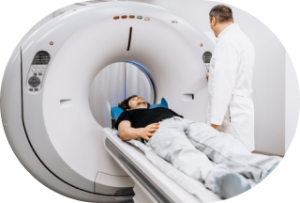
CT scan
A heart CT scan uses many X-rays from different angles to build images of your heart using a scanner and computer. This can help us see problems with the structures of the heart and issues with valves, arteries, and more.
MRI scan
A heart MRI scan uses magnetic and radio waves to show detailed pictures of the inside of your heart. Like a CT scan, this test can show issues with the heart and the surrounding vessels.
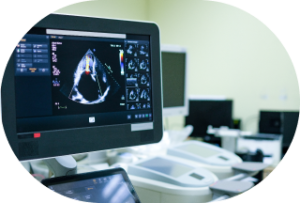
Echocardiogram
An echocardiogram is an ultrasound scan that shows the heart’s structure and surrounding blood vessels. It allows us to analyse how blood flows through them and assess the heart’s pumping chambers.
Book your consultation with Dr Ravi Assomull today
Looking after your heart is the most important thing you can do to improve your longevity and quality of life in the long term.
We’re here for you during your journey to better heart health. We provide tests and management strategies to help identify what might be wrong and where you can improve your lifestyle to reach prime heart health.

Book an appointment today to speak to our expert Integrative Cardiologist, Dr Ravi Assomull, about your heart concerns.
You can email us at: enquiries@cardiologist.london
Or call us at: 020 3576 2885
Frequently asked questions
Short answers from Dr Ravi Assomull, consultant cardiologist - each one is also available as a video.
What is coronary heart disease?
Coronary heart disease results from plaque build up in the heart arteries. In this video, Dr Ravi Assomull explains how stable disease differs from a heart attack. Watch Dr Assomull's answer (0:57).
What are the symptoms of heart disease?
Heart disease can be silent or present with exertional chest pain and breathlessness. In this video, Dr Ravi Assomull explains how symptoms develop and how heart attacks can occur suddenly. Watch Dr Assomull's answer (1:8).
How can heart disease be diagnosed?
Heart disease can often be detected accurately using modern imaging techniques. In this video, Dr Ravi Assomull explains how CT coronary angiography identifies plaque and narrowing in the coronary arteries. Watch Dr Assomull's answer (0:27).
How can I prevent heart disease?
Most coronary heart disease is preventable with the right lifestyle and medical management. In this video, Dr Ravi Assomull explains how diet, exercise, sleep, and risk factor control reduce cardiovascular risk. Watch Dr Assomull's answer (0:27).
Can coronary heart disease be cured?
Coronary artery disease cannot be cured but can be very effectively controlled with modern treatments. In this video, Dr Ravi Assomull explains how stents, lifestyle changes, and medication reduce risk and prevent further heart problems. Watch Dr Assomull's answer (0:53).