
Conditions

Heart failure

5.0 on Google

Heart failure means the heart is not pumping blood as well as it should. Learn about the symptoms, causes, diagnosis and the modern treatments that can help you feel better and protect your heart for the future.

Care Quality Commission (CQC) registeredGeneral Medical Council (GMC) registered cliniciansRegistered. Regulated. Trusted.CQC-registered clinic · GMC-registered clinicians

A diagnosis of heart failure can sound frightening, but the name is misleading – it does not mean your heart has stopped working. With the right treatment plan started early, most people feel considerably better and can live a full, active life.

 

Book your consultation

Dr Ravi Assomull, private cardiologist in London

Dr Ravi Assomull, Consultant Cardiologist and Founder

What is heart failure?

Heart failure is a condition in which the heart muscle is unable to pump blood around the body as efficiently as it should. Despite the name, it does not mean that the heart has stopped working or is about to stop. It means the heart needs support to do its job properly, either because it has become too weak or too stiff to fill and empty normally.

Heart failure is common, affecting more than one million people in the UK, and it becomes more likely with age. It is a serious, usually long-term condition, but modern treatment has transformed the outlook. With an early and accurate diagnosis, the right medication and targeted lifestyle changes, most people can control their symptoms, stay out of hospital and continue doing the things they enjoy.

Doctors often describe heart failure by how much blood the heart pumps out with each beat, known as the ejection fraction. In heart failure with reduced ejection fraction, the pumping chamber has become weak. In heart failure with preserved ejection fraction, the heart pumps reasonably well but is stiff and does not fill properly. The distinction matters because it guides which treatments will help you most.


Symptoms

Symptoms of heart failure develop because blood and fluid are not being moved around the body effectively. They can appear gradually over months or come on quite quickly. Common symptoms include:

  • Shortness of breath, initially on exertion and, as the condition progresses, when lying flat or waking you at night
  • Fatigue and finding everyday activities more tiring than they used to be
  • Swelling in the legs, ankles or feet caused by fluid retention, which may be worse at the end of the day
  • A persistent cough or wheeze, sometimes worse at night
  • Dizziness or light-headedness
  • A rapid or irregular heartbeat
  • Rapid weight gain over a few days due to fluid build-up, or reduced appetite and bloating

Because these symptoms overlap with many other conditions, including asthma, anaemia and simple deconditioning, heart failure is frequently missed or diagnosed late. If you have noticed unexplained breathlessness, swelling or a step-change in your exercise tolerance, it is always worth being assessed properly.

If you experience sudden severe breathlessness, chest pain, or fainting, call 999 immediately for emergency medical attention.


Causes

Heart failure is not a single disease but the end result of anything that damages or overworks the heart muscle. The most common causes include:

  • Coronary artery disease and a previous heart attack, which can leave areas of the heart muscle scarred and weakened
  • High blood pressure, which forces the heart to work harder over many years until it becomes thickened or stiff
  • Atrial fibrillation and other rhythm disturbances, which can both cause and worsen heart failure
  • Heart valve disease, where a leaking or narrowed valve places extra strain on the pumping chambers
  • Cardiomyopathy, a disease of the heart muscle itself, which may be inherited or triggered by infection, alcohol or certain treatments
  • Other contributors, including diabetes, thyroid disease, obesity and sleep apnoea

Understanding the cause in your individual case is essential, because treating the underlying problem, for example restoring blood flow, controlling blood pressure or correcting a rhythm disturbance, is often the most powerful way of improving the heart's function.


Diagnosis

Diagnosing heart failure starts with listening carefully to your symptoms and your history, followed by a physical examination. We will then arrange targeted investigations to confirm the diagnosis, assess how the heart is functioning and, crucially, establish why.

Blood tests include a marker called NT-proBNP, which is released when the heart is under strain and is a key first step when heart failure is suspected. An electrocardiogram (ECG) looks for rhythm problems and evidence of previous heart damage. An echocardiogram is the cornerstone investigation: an ultrasound scan that shows the size and pumping strength of each chamber, measures the ejection fraction and examines the heart valves.

In many cases we will also recommend a cardiac MRI scan. This is Dr Assomull's particular area of expertise and provides the most detailed assessment available of the heart muscle, identifying scarring, inflammation or infiltration that other tests can miss and often revealing the underlying cause of the heart failure. Where coronary artery disease is suspected, a CT coronary angiogram may be advised.


Treatment

Treatment for heart failure has advanced enormously in the last decade. The aim is threefold: to relieve your symptoms, to keep you well and out of hospital, and to help the heart recover strength where possible.

Medication

Modern heart failure medication can substantially improve both how you feel and your long-term outlook. Depending on the type of heart failure, this may include ACE inhibitors or ARNIs, beta-blockers, mineralocorticoid receptor antagonists and SGLT2 inhibitors, a newer class of tablets with impressive results in trials. Diuretics (water tablets) relieve fluid build-up and breathlessness. Getting the combination and doses right for you, and reviewing them as your heart responds, is central to good care.

Lifestyle and daily management

Medication works best alongside targeted lifestyle changes. We will guide you on daily weight monitoring to detect fluid retention early, sensible fluid and salt intake, safe and structured physical activity, sleep quality, and reducing alcohol. Cardiac rehabilitation style exercise, tailored to your capacity, is one of the most effective treatments available for heart failure.

Device therapy and further treatment

For some people, further treatment is appropriate. This may include a special pacemaker to resynchronise the heart's contraction, an implantable defibrillator to protect against dangerous rhythms, valve intervention or coronary revascularisation. If these are relevant in your case, we will explain the options clearly and refer you to the right specialist team.

Monitoring and follow-up

Heart failure care is not a single appointment but an ongoing partnership. Regular reviews allow us to fine-tune medication, repeat imaging to track your heart's recovery and act early if anything changes.


Our integrative cardiology approach

At Cardiologist London, we treat the person, not just the pump. Alongside guideline-based medication, Dr Assomull will address the factors that drive heart failure forward: blood pressure, weight, sleep apnoea, diabetes control, alcohol, stress and inactivity. Your plan is built around your life and reviewed with you at every step, and we work closely with your GP and any other specialists involved in your care.

If you are concerned about breathlessness, swelling or a recent diagnosis of heart failure and would like a thorough, unhurried specialist assessment, book a consultation at our Harley Street clinic.

Key symptoms of Heart failure

shortness-of-breath

Shortness of breath

Shortness of breath is when you find breathing challenging, wheezing, or breathlessness. Other heart conditions such as angina, atrial fibrillation, and heart failure can all cause shortness of breath.

Fatigue

Fatigue

Fatigue is the feeling that you lack the energy or motivation to do anything physically and mentally.

dizziness

Dizziness

Dizziness is the sensation of feeling off balance or light-headed. You may feel as though your surroundings or you are spinning or moving (called vertigo).

Recommended tests for Heart failure
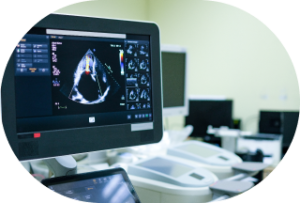
Echocardiogram

Echocardiogram

An echocardiogram is an ultrasound scan that shows the heart’s structure and surrounding blood vessels. It allows us to analyse how blood flows through them and assess the heart’s pumping chambers.

img_bloodtests

Blood tests

Blood tests help us assess how well your heart functions, identify risk factors and monitor certain heart conditions.
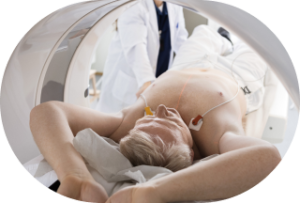
 

heart-MRI-scan

Heart MRI scan

We can use MRI scans to see a detailed picture of your heart and blood vessels without needing invasive processes.


Book your consultation 
with Dr Ravi Assomull today


Looking after your heart is the most important thing you can do to improve your longevity and quality of life in the long term.

We’re here for you during your journey to better heart health. We provide tests and management strategies to help identify what might be wrong and where you can improve your lifestyle to reach prime heart health.

Dr Ravi Assomull – Consultant Cardiologist, Harley Street, London

Book an appointment today to speak to our expert Integrative Cardiologist, Dr Ravi Assomull, about your heart concerns.

You can email us at: enquiries@cardiologist.london

Or call us at: 020 3576 2885


    We typically respond within 1 working day

    Frequently asked questions

    Short answers from Dr Ravi Assomull, consultant cardiologist - each one is also available as a video.

    How is dilated cardiomyopathy (DCM) different from heart failure?

    Dilated cardiomyopathy is one of the most common causes of heart failure. In this video, Dr Ravi Assomull explains how DCM affects the heart’s main pumping chamber and why patients may experience symptoms such as breathlessness, fatigue and palpitations. Watch Dr Assomull's answer (00:18).

    What is heart failure?

    Heart failure occurs when the heart cannot pump enough blood for the body’s needs. In this video, Dr Ravi Assomull explains common symptoms and underlying mechanisms. Watch Dr Assomull's answer (0:25).

    How is heart failure diagnosed?

    Diagnosing heart failure requires a combination of clinical assessment, blood tests, and cardiac imaging. In this video, Dr Ravi Assomull, a Private Cardiologist in London, explains the role of echocardiography and NT-proBNP testing. Watch Dr Assomull's answer (0:39).

    Can heart failure be reversed?

    Heart failure can often be treated very successfully and in some cases heart function may improve significantly. In this video, Dr Ravi Assomull, a Private Cardiologist in London, explains how medications and cardiac devices improve symptoms and long term outcomes. Watch Dr Assomull's answer (0:32).

    What our patients think


    Dr Assomull holds Doctify’s 2025 Outstanding Patient Experience award – explore our reviews and testimonials.