
Myocarditis
5.0 on GoogleMyocarditis is inflammation of the heart muscle that can affect people of any age. Learn about the symptoms, causes, treatment options and how we can support your heart health.

 Registered. Regulated. Trusted.CQC-registered clinic · GMC-registered clinicians
 Myocarditis can feel like a worrying diagnosis, but most people make a full recovery with the right management and support. Early and accurate diagnosis is key, and I would always encourage anyone with unexplained cardiac symptoms to get checked.

Dr Ravi Assomull, Consultant Cardiologist and Founder
Video FAQs
View our short videos designed specifically to answer your questions


Summary
Myocarditis refers to inflammation of the heart muscle, often following a viral infection and sometimes affecting heart function. In this video, Dr Ravi Assomull explains the condition and how integrative cardiology supports recovery and long term heart health.
Transcript
Myocolitis is a term that refers to inflammation of the heart. Typically this is a result of a viral infection and sometimes it can affect the heart's pump function or the heart's rhythm. Thankfully most cases are short-lived and mild with no long-term sequelae.

Summary
Myocarditis can present with chest pain, palpitations, breathlessness or dizziness following a viral illness. In this video, Dr Ravi Assomull describes the common symptoms and how they typically resolve over time.
Transcript
Typically people who experience myocarditis get symptoms of chest pain, palpitations, breathlessness or dizziness. These can be mild or severe but tend to be short-lived and resolve of their own accord.

Summary
Myocarditis is most commonly triggered by viral infections, though autoimmune causes are also possible. In this video, Dr Ravi Assomull, a Private Cardiologist in London, explains the underlying causes and how they affect the heart.
Transcript
By far and away the most common cause of myocarditis is a viral infection, typically following a flu-like illness. It can also be related to autoimmune conditions and very rarely we have seen myocarditis following vaccinations.

Summary
Most cases of myocarditis are mild, but some can lead to serious complications such as heart failure or arrhythmias. In this video, Dr Ravi Assomull describes when myocarditis becomes concerning and why proper assessment is important.
Transcript
Whilst most cases of myocarditis typically are short-lived and are not serious, in a small number of cases myocarditis can progress to severe heart failure or concerning heart rhythm disturbances, which is why it's really important to get this assessed properly with imaging scans such as a cardiac MRI and ambulatory ECG monitors to look for any underlying and potentially concerning arrhythmias.

Summary
Myocarditis is diagnosed through a combination of symptoms, blood tests and advanced imaging. In this video, Dr Ravi Assomull, a Private Cardiologist in London, explains how ECGs, inflammatory markers and cardiac MRI confirm the diagnosis.
Transcript
Myocarditis is diagnosed on the clinical history, so symptoms such as chest pain, palpitations, potentially preceded by a viral infection of some sort, and a combination of tests including an ECG blood test which will include markers of inflammation such as troponin, high sensitivity CRP, and critically a cardiac MRI which shows potential inflammation of the heart muscle

Summary
Treatment for myocarditis focuses on rest and supporting heart recovery, with medication used in more severe cases. In this video, Dr Ravi Assomull explains how an integrative cardiology approach and careful follow up help ensure full recovery.
Transcript
The mainstay of treatment for myocarditis is simple rest and allowing your heart to recover. In the small number of cases, the small proportion of cases where myocarditis affects the heart rhythm or the heart function, we use standard cardiac medications that we would for any one with these conditions. The key really to ensure that your myocarditis completely resolves and does not occur is to avoid any strenuous exercise for a good three to six months after an episode of myocarditis.

Summary
Recovery from myocarditis is usually excellent when managed correctly and exercise is avoided during healing. In this video, Dr Ravi Assomull explains the typical recovery timeline and long term outlook for most patients.
Transcript
For the vast majority of patients, the long-term outlook is excellent. People will recover, assuming that they refrain from vigorous exercise, and in due course will return to full and active lifestyle without any long-term complications.

Summary
Returning to exercise after myocarditis requires careful timing to avoid complications such as arrhythmias or recurrence. In this video, Dr Ravi Assomull explains why a three to six month rest period and proper reassessment are essential before resuming physical activity.
Transcript
Whilst it's frustrating, it's really important to refrain from exercise for at least three to six months following an episode of acute myocarditis. And prior to returning to a full exercise regime, it's important to be reassessed with the appropriate blood tests, ECGs and if necessary, imaging studies to make sure that the myocarditis is fully resolved and poses no risk to you. Unfortunately, exercising before this timeframe risks the possibility of heart rhythm disturbances and recurrent episodes of myocarditis.
Key symptoms of Myocarditis

Chest pain
Chest pain is the sensation of pain in the breast area. You may feel squeezing, pressing, tightness, burning, or a heaviness radiating to the neck, shoulder, and left arm.

Shortness of breath
Shortness of breath is when you find breathing challenging, wheezing, or breathlessness. Other heart conditions such as angina, atrial fibrillation, and heart failure can all cause shortness of breath.

Palpitations
Heart palpitations are the feeling that your heart is fluttering, racing, pounding, or like you’ve missed heartbeats. Palpitations can happen anytime, even while resting, and may be felt in the chest, neck, or throat.
Recommended tests for Myocarditis

Blood tests
Blood tests help us assess how well your heart functions, identify risk factors and monitor certain heart conditions.
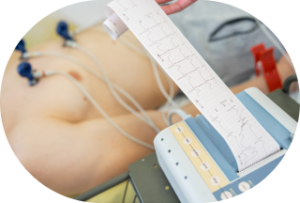
Electrocardiogram (ECG or EKG)
An electrocardiogram is a test that measures and records your heart’s electrical activity and rhythm, including the strength and speed of your heartbeat.
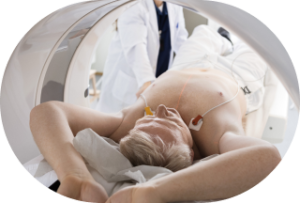
Heart MRI scan
We can use MRI scans to see a detailed picture of your heart and blood vessels without needing invasive processes.
Book your consultation with Dr Ravi Assomull today
Looking after your heart is the most important thing you can do to improve your longevity and quality of life in the long term.
We’re here for you during your journey to better heart health. We provide tests and management strategies to help identify what might be wrong and where you can improve your lifestyle to reach prime heart health.

Book an appointment today to speak to our expert Integrative Cardiologist, Dr Ravi Assomull, about your heart concerns.
You can email us at: enquiries@cardiologist.london
Or call us at: 020 3576 2885
Frequently asked questions
Short answers from Dr Ravi Assomull, consultant cardiologist - each one is also available as a video.
What is myocarditis and what does it mean?
Myocarditis refers to inflammation of the heart muscle, often following a viral infection and sometimes affecting heart function. In this video, Dr Ravi Assomull explains the condition and how integrative cardiology supports recovery and long term heart health. Watch Dr Assomull's answer (00:26).
What are the symptoms for myocarditis?
Myocarditis can present with chest pain, palpitations, breathlessness or dizziness following a viral illness. In this video, Dr Ravi Assomull describes the common symptoms and how they typically resolve over time. Watch Dr Assomull's answer (00:20).
What usually causes myocarditis?
Myocarditis is most commonly triggered by viral infections, though autoimmune causes are also possible. In this video, Dr Ravi Assomull, a Private Cardiologist in London, explains the underlying causes and how they affect the heart. Watch Dr Assomull's answer (00:21).
Is myocarditis serious?
Most cases of myocarditis are mild, but some can lead to serious complications such as heart failure or arrhythmias. In this video, Dr Ravi Assomull describes when myocarditis becomes concerning and why proper assessment is important. Watch Dr Assomull's answer (00:33).
How is myocarditis diagnosed?
Myocarditis is diagnosed through a combination of symptoms, blood tests and advanced imaging. In this video, Dr Ravi Assomull, a Private Cardiologist in London, explains how ECGs, inflammatory markers and cardiac MRI confirm the diagnosis. Watch Dr Assomull's answer (00:35).
How is myocarditis treated?
Treatment for myocarditis focuses on rest and supporting heart recovery, with medication used in more severe cases. In this video, Dr Ravi Assomull explains how an integrative cardiology approach and careful follow up help ensure full recovery. Watch Dr Assomull's answer (00:39).