
High cholesterol
5.0 on GoogleStruggling with cholesterol issues? Our experts diagnose a full range of conditions and investigate with advanced diagnostics. Learn more about advanced care at our clinic.

 Registered. Regulated. Trusted.CQC-registered clinic · GMC-registered clinicians
 High cholesterol can sneak up on you. Protect your heart health with regular check-ups and key lifestyle changes.

Dr Ravi Assomull, Consultant Cardiologist and Founder
Video FAQs
View our short videos designed specifically to answer your questions


Summary
What do we mean by “good” and “bad” cholesterol? In this video, Dr Ravi Assomull breaks down the difference between HDL (high-density lipoprotein) and LDL (low-density lipoprotein). HDL helps remove fatty deposits from your arteries, while LDL contributes to plaque build-up and increases your risk of coronary heart disease. Understanding these subtypes is a key step in managing your heart health effectively.
Transcript
Good and bad cholesterol refer to two different subtypes of cholesterol, good cholesterol, what we call high-density lipoprotein. HDL is a cholesterol that actually mops up fatty deposits from the blood vessels and takes them out of the body, whereas bad cholesterol, so called low-density lipoprotein, actually assists in depositing fatty deposits in the blood vessels, causing coronary heart disease.

Summary
Healthy cholesterol targets depend on your individual risk profile. In this video, Dr Ravi Assomull explains what cholesterol levels are considered acceptable for different patients.
Transcript
What's considered a good cholesterol depend on your clinical history. Now unfortunately if you've already had a heart attack or are at high risk for having a heart attack because you're diabetic then actually the level of cholesterol we aim for in your case is going to be much lower than the population at large. However if you're healthy, have no risk factors for cardiac disease and have never had a heart attack then we tend to accept a total cholesterol reading of less than 5 and an HDL or good cholesterol reading of just above 1.2.

Summary
Checking your cholesterol levels is simple and crucial in understanding your cardiovascular risk. In this video, Dr Ravi Assomull explains how a routine blood test measures your total cholesterol, HDL (good cholesterol), LDL (bad cholesterol), and triglycerides. This test provides vital information to help understand your risk of heart disease. With his expertise in preventative cardiology, Dr Assomull offers tailored guidance based on your individual risk profile.
Transcript
Cholesterol levels can easily be checked by a simple blood test that tells you what your total cholesterol is, as well as looking at the proportion of good cholesterol, your HDL, and bad cholesterol, typically your LDL and triglycerides.

Summary
In this video, Dr Ravi Assomull explains how statins lower the risk of heart attacks and strokes by reducing inflammation and stabilising plaque in the arteries. This is pronounced in people who are at high risk or who have already experienced a cardiovascular event.
Transcript
Yes, statins do reduce the risk of heart attacks and strokes, especially in people who are at high cardiovascular risk or in those people who have already had a heart attack. They do this by reducing inflammation and stabilising plaque in the coronary arteries.

Summary
Statins are cholesterol-lowering medications proven to prevent heart attacks and strokes. In this video, Dr Ravi Assomull explains what statins are and why they play a vital role in cardiovascular health.
Transcript
Statins are well-established medications that have been formulated to reduce your cholesterol levels in your blood. They have a wealth of evidence behind them to show that they prevent heart attacks and strokes.

Summary
This video explains that while statins are not prescribed specifically to lower blood pressure, they may have a minor secondary effect on it. Dr Ravi Assomull emphasizes that their main role is to reduce fatty buildup in the arteries and lower inflammation, helping to prevent heart disease.
Transcript
Statins are not used to lower your blood pressure, although they may have a small effect on it. The main use for a statin is to actually reduce the level of fatty deposits in your coronary arteries and reducing inflammation.

Summary
Dr Ravi Assomull dispels common myths about statins, including concerns about memory loss and widespread side effects. He explains the nocebo effect, where the expectation of side effects can lead to reported symptoms, and reassures viewers that statins are generally well tolerated at modest doses. He also emphasizes that alternative treatments are available if side effects occur.
Transcript
Well many people worry about side effects but curiously actually very few people get side effects. There's a lot of talk of a lot of myths about things like dementia, loss of memory, these are simply not true and lots of clinical data has proven that to be the case. There are side effects related to muscle cramps but these typically tend to be at high doses of statins and most of the doses we actually prescribe in our clinic are very much at the modest level. What's become clear is a curious phenomenon known as the nocebo effect where we have observed that people who are prescribed statins almost feel that they're going to get the effects and this is best seen in clinical trials where patients are given a statin not known that they were given a statin are absolutely fine on it and only at the end of the trial when they were told they were they had a statin about 20 to 30 percent of these patients will suddenly develop statin-like side effects. So we only prescribe statins here if we believe you benefit from it and we can assure you that your risk of side effects are low and should you develop any side effects then there are alternatives that we can discuss.

Summary
This video features Dr Ravi Assomull explaining how statins help protect the heart during periods of acute stress or illness by reducing inflammation and stabilising blood vessels. These protective effects are particularly important when the body is under increased cardiovascular strain.
Transcript
Statins reduce inflammation and stabilise blood vessels, which is helpful during times of acute illness where you are more vulnerable to a heart attack.

Summary
Dr Ravi Assomull discusses how statins reduce the risk of developing heart disease in people with conditions such as hypertension, diabetes, or a strong family history of coronary artery disease. He also explains when lifestyle changes alone may be sufficient for those at low risk, even with high cholesterol.
Transcript
Absolutely. If you have risk factors such as hypertension or diabetes or a family history of coronary artery disease and you're deemed at high risk of heart disease, statins reduce your risk by minimising the buildup of fatty deposits in your coronary arteries. Conversely, if you're at low cardiovascular risk and have high cholesterol, then an approach using lifestyle modification solely would be entirely reasonable.

Summary
In this video, Dr Ravi Assomull addresses the potential for drug interactions when taking statins, particularly with certain antibiotics and antifungal medications. He outlines the importance of reviewing a patient’s full medication history before prescribing statins to ensure they are used safely and effectively.
Transcript
Statins can interact with some medications, typically antibiotics and antifungals. Obviously, before prescribing your statin, we take a very careful drug history and make sure that steps are taken to avoid any such interactions.

Summary
Dr Ravi Assomull clarifies that statins are not used to directly treat arrhythmias or irregular heartbeats. However, patients with arrhythmias who also have underlying coronary artery disease may benefit from statins to manage their cardiovascular risk and reduce the chance of further complications.
Transcript
Statins aren't used to treat arrhythmias but obviously if you are a patient with an arrhythmia and underlying heart disease then you would benefit from having a statin for the underlying coronary artery disease.

Summary
In this video, Dr Ravi Assomull highlights how lifestyle choices play a critical role in supporting the benefits of statin therapy. He discusses the importance of a balanced diet, regular exercise, smoking cessation, moderating alcohol intake, and stress management. Statins are most effective when combined with these long-term healthy habits.
Transcript
This is an important question about lifestyle and statins. Statins are not the magic bullet here. When taking a statin you have to supplement that with a well-balanced diet, a regular exercise program, stopping smoking, keeping alcohol consumption modest and trying to keep your stress levels in check and this has always helped by getting a good night's sleep.

Summary
Dr Ravi Assomull explains how the effectiveness of statins is monitored through regular blood tests often in collaboration with your GP. A key indicator is a reduction in LDL cholesterol, commonly referred to as “bad cholesterol.” This video provides clarity on what to expect once statin therapy begins and how progress is tracked over time.
Transcript
Well we monitor you in concert with your GP to take blood tests and what we're critically looking for is what happens to your LDL cholesterol levels, these are your bad cholesterol levels, and what we'd expect in someone who's been prescribed the statin is for that LDL level to fall.

Summary
Dr Ravi Assomull explains why statins may be prescribed to people with normal cholesterol levels if they have other risk factors such as high blood pressure, diabetes, or a family history of heart disease. He also discusses how diagnostic tests, like cardiac CT or Lp(a) levels, help determine overall cardiovascular risk and whether statins are appropriate.
Transcript
We sometimes do prescribe statins for people with seemingly normal cholesterol and typically the people who would benefit from it are those who have high level of risk factors for coronary disease. These include people with high blood pressure, diabetes, a family history of heart disease. Additionally there may be other factors that we find from our testing such as plaque on a cardiac CT or a raised LP(a) level on blood tests that would suggest that however normal the cholesterol is the overall cardiovascular risk is high and statins therefore have a role to play.

Summary
Worried about side effects from statins? Dr Ravi Assomull discusses common issues like muscle aches, how they can be minimised, and alternative options for managing high cholesterol.
Transcript
There are side effects of statins, but thankfully they tend to be limited, and with the newer statins, especially at low doses, it only affects a small proportion of people who take them. Classic side effects that that we hear from patients who take statins are muscle aches. My personal experience is that we tend to see that at very high doses in people who are on multiple other medications, so we can tailor your medication regimen to minimise the risk of side effects, and should we be unsuccessful, there are alternatives to statins we can suggest.

Summary
Are statins safe long term? Dr Ravi Assomull explains the real risks and benefits of statins, including concerns about diabetes and why they don’t increase your risk of heart attack or stroke.
Transcript
In long-term studies, there are no risks, as such, associated with statins. There are small concerns about increased risk of diabetes, but we do know that, even if that was the case, it doesn't increase your risk of heart attacks or strokes, which is the key concern when you develop diabetes.
Recommended tests for High cholesterol

Blood tests
Blood tests help us assess how well your heart functions, identify risk factors and monitor certain heart conditions.
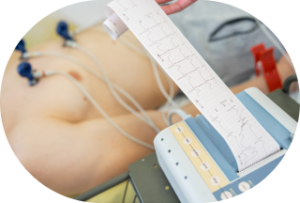
Electrocardiogram (ECG or EKG)
An electrocardiogram is a test that measures and records your heart’s electrical activity and rhythm, including the strength and speed of your heartbeat.
Book your consultation with Dr Ravi Assomull today
Looking after your heart is the most important thing you can do to improve your longevity and quality of life in the long term.
We’re here for you during your journey to better heart health. We provide tests and management strategies to help identify what might be wrong and where you can improve your lifestyle to reach prime heart health.

Book an appointment today to speak to our expert Integrative Cardiologist, Dr Ravi Assomull, about your heart concerns.
You can email us at: enquiries@cardiologist.london
Or call us at: 020 3576 2885
Frequently asked questions
Short answers from Dr Ravi Assomull, consultant cardiologist - each one is also available as a video.
What is ‘good’ and ‘bad’ cholesterol?
What do we mean by “good” and “bad” cholesterol? In this video, Dr Ravi Assomull breaks down the difference between HDL (high-density lipoprotein) and LDL (low-density lipoprotein). HDL helps remove fatty deposits from your arteries, while LDL contributes to plaque build-up and increases your risk of coronary heart disease. Understanding these subtypes is a key step in managing your heart health effectively. Watch Dr Assomull's answer (0:35).
What is considered a ‘healthy’ cholesterol reading?
Healthy cholesterol targets depend on your individual risk profile. In this video, Dr Ravi Assomull explains what cholesterol levels are considered acceptable for different patients. Watch Dr Assomull's answer (0:38).
How can I check my cholesterol levels?
Checking your cholesterol levels is simple and crucial in understanding your cardiovascular risk. In this video, Dr Ravi Assomull explains how a routine blood test measures your total cholesterol, HDL (good cholesterol), LDL (bad cholesterol), and triglycerides. This test provides vital information to help understand your risk of heart disease. With his expertise in preventative cardiology, Dr Assomull offers tailored guidance based on your individual risk profile. Watch Dr Assomull's answer (0:19).
What are statins?
Statins are cholesterol-lowering medications proven to prevent heart attacks and strokes. In this video, Dr Ravi Assomull explains what statins are and why they play a vital role in cardiovascular health. Watch Dr Assomull's answer (0:21).
Do statins help lower blood pressure?
This video explains that while statins are not prescribed specifically to lower blood pressure, they may have a minor secondary effect on it. Dr. Ravi Assomull emphasizes that their main role is to reduce fatty buildup in the arteries and lower inflammation, helping to prevent heart disease. Watch Dr Assomull's answer (0:18).
What are the misconceptions surrounding statins?
Dr. Ravi Assomull dispels common myths about statins, including concerns about memory loss and widespread side effects. He explains the nocebo effect, where the expectation of side effects can lead to reported symptoms, and reassures viewers that statins are generally well tolerated at modest doses. He also emphasizes that alternative treatments are available if side effects occur. Watch Dr Assomull's answer (1:23).