
Conditions
Ectopic heartbeats
5.0 on GoogleAn ectopic heartbeat is a type of arrhythmia (irregular heartbeat) that can lead to extra or skipped beats. Learn about the symptoms, causes, treatment options and how we can help you manage your condition.

 Registered. Regulated. Trusted.CQC-registered clinic · GMC-registered clinicians
 The sensation of a skipped beat or a thud in the chest can feel alarming, particularly if it happens for the first time. Once we have done the right investigations, we can get to the bottom of what is happening and manage this together.

Dr Ravi Assomull, Consultant Cardiologist and Founder
Video FAQs
View our short videos designed specifically to answer your questions


Summary
Ectopic heartbeats are very common and often cause noticeable palpitations. In this video, Dr Ravi Assomull describes why these extra beats occur and why they are usually harmless.
Transcript
Ectopic beats are extra beats that arise from outside the normal pacemaker of the heart. They are very common and in the vast majority of cases are entirely harmless. The symptoms of an ectopic beat include those of a skipped beat, a flutter, a thudding or the sensation of a dropped beat. These sensations typically occur because what happens is there is a short pause after an ectopic beat, which is then followed by a stronger heartbeat.

Summary
Certain lifestyle and medical factors can increase the frequency of ectopic heartbeats. In this video, Dr Ravi Assomull, a Private Cardiologist in London, explains common triggers and how symptoms can be reduced.
Transcript
You're more likely to get ectopic beats due to certain triggers and these typical triggers include a lack of sleep, anxiety, stress, also consumption of excess caffeine or alcohol are very well documented triggers. In more recent times we've become aware of viral infections causing ectopic beats. Certainly during the COVID pandemic one of the key cardiac symptoms associated with a COVID infection were palpitations due to ectopic beats. Finally with hormonal changes such as those experienced during the menopause or pregnancy ectopic beats can be more prevalent and using certain drugs such as nasal decongestants or stimulants can also trigger these ectopic beats.

Summary
Many people experience ectopic heartbeats, but knowing when to investigate them is important. In this video, Dr Ravi Assomull explains when ectopics are harmless and when ECGs and further tests are required.
Transcript
In the vast majority of patients, ectopic beats are not dangerous at all. We have to make this judgment by performing an assessment. This will include ensuring that you have a normal ECG, a normal echocardiogram, and by that we are looking to ensure that your heart is structurally normal. Critically, we also need to ensure there is no family history of any premature cardiac death, and specifically exclude any family history of sudden cardiac death. Finally, we also need to make sure you have no red flag symptoms such as loss of consciousness.

Summary
The diagnosis of ectopic heartbeats relies on correlating symptoms with heart rhythm recordings. In this video, Dr Ravi Assomull, a Private Cardiologist in London, explains how ECG monitors are used to assess ectopic beats.
Transcript
The diagnosis of ectopic beats are often made just by taking the history alone. But to prove that in fact these are ectopic beats and critically to assess whether there are any associated heart rhythm disturbances, the key test is one of an ECG monitor. This involves popping a patch on your chest which records your heart rhythm for anywhere between one day and 14 days. And what we're looking for here is correlation between your symptoms and the heart rhythm that's recorded on the ECG monitor.

Summary
Treatment options for ectopic heartbeats are discussed, from lifestyle changes to medication and catheter ablation. In this video, Dr Ravi Assomull explains when reassurance alone is sufficient.
Transcript
In the vast majority of cases we can simply reassure you that there is nothing to worry about here. Simple lifestyle modification can help greatly. By this I mean reducing your caffeine and alcohol consumption, prioritising sleep, trying to ameliorate stress and anxiety, or stopping certain medications that are perhaps provoking these symptoms. If lifestyle modification doesn't work then we can use medications such as beta blockers which will suppress these ectopic beats. They don't cure it but certainly make you feel better. In a minority of cases where the ectopic burden is very high and the symptoms are very intrusive we can actually perform a procedure called a catheter ablation which should get on top of the problem.

Summary
Exercise is often safe for people experiencing ectopic heartbeats. In this video, Dr Ravi Assomull describes when physical activity is encouraged and when symptoms should prompt further assessment.
Transcript
Exercise tends to be very safe and actually in most people the ectopics completely disappear with exercise. We would advise against exercise if your ectopics are worse when you exercise or if you have other symptoms such as dizziness, loss of consciousness or chest pain.

Summary
The differences between atrial and ventricular ectopic beats are clearly outlined. In this video, Dr Ravi Assomull describes how ectopic burden is assessed and why most ectopic beats are considered benign.
Transcript
There are two types of ectopic beats, those that arise from the upper chambers of the heart. We refer to these as atrial ectopic beats. These are entirely harmless and you can have as many as 20 to 30 percent of your heart beat being ectopic atrial beats without us having any concerns. You can also have ectopic beats that arise from the left ventricle. Whilst these also tend to be entirely benign, we tolerate a lower burden of ventricle ectopic beats. Certainly when you have ectopic beats that exceed 1 percent of your total heartbeat, we like to make sure that you have a structurally normal heart by performing an echocardiogram.

Summary
The concept of ectopic burden and how it is measured over a 24 hour period is explained. In this video, Dr Ravi Assomull explains why a low ectopic burden is usually considered normal and reassuring.
Transcript
An ectopic burden refers to the percentage of ectopic beats over a 24-hour period. An ectopic burden of 1% is considered low and is labelled as being entirely benign.

Summary
What exactly is an arrhythmia? Not all abnormal heart rhythms are dangerous. In this short video, Dr Ravi Assomull clarifies the difference between benign arrhythmias (like ectopic beats) and more serious conditions like atrial fibrillation (AF), which increases stroke risk. If you’ve experienced palpitations or irregular heartbeats, it’s essential to seek expert guidance. Dr Assomull specialises in personalised arrhythmia assessment and management using advanced diagnostics and imaging.
Transcript
Arrhythmia is an abnormal heart rhythm. If you have an arrhythmia, it doesn't necessarily mean there is anything to worry about. A lot of arrhythmias are what we refer to as benign. Typically, these are ectopic, extra heartbeats, they tend to be short-lived and pose no risk to you. There are more concerning arrhythmias such as atrial fibrillation, which is the most common heart rhythm disturbance in this country. The key concern with atrial fibrillation is that, as well as causing symptoms, it is associated with an increased risk of stroke.

Summary
Can arrhythmias be permanently cured, or only controlled? In this video, Dr Ravi Assomull, expert Consultant Cardiologist in London, explains that arrhythmias are common and often benign heart rhythm disturbances. Treatment depends on identifying the exact rhythm problem and may include lifestyle changes, medication or in a small number of cases procedures such as cardioversion or ablation. Diagnosis is usually made with a wearable ECG monitor worn for up to 14 days during normal daily life. Recording symptoms like palpitations allows accurate correlation with heart rhythm, helping guide personalised and effective arrhythmia management.
Transcript
Arrhythmias can typically be treated using a combination of lifestyle modification, medications and in a minority of cases a procedure such as an ablation or a cardioversion may be required. Very few arrhythmias can actually be cured as such. It's highly likely once you've had an arrhythmia you'll get a recurrence. But bearing in mind most arrhythmias are benign, these aren't of any clinical concern and should pose no risk to you in the future. The key to formulating a treatment for your arrhythmia is actually identifying what the underlying arrhythmia is. This is done by getting an ECG monitor which we can stick on your chest for up to 14 days and asking you to live your life as usual. When you have the symptoms that represent your possible arrhythmias such as palpitations it's key that you record the time and date and we can then see what we found on the heart rhythm monitor. That heart rhythm symptom correlation is critical in identifying what your arrhythmia is and figuring out whether you need just advice on your lifestyle, medications or a combination of both.
Recommended tests for Ectopic heartbeats
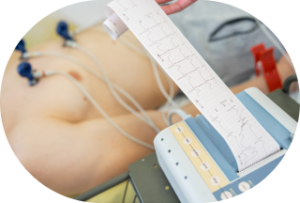
Electrocardiogram (ECG or EKG)
An electrocardiogram is a test that measures and records your heart’s electrical activity and rhythm, including the strength and speed of your heartbeat.
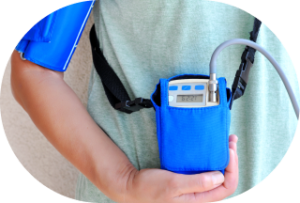
Ambulatory ECG monitor
Ambulatory electrocardiogram (ECG) monitors are devices that help take readings of your heart’s electrical activity during your daily activities over a longer period of time.
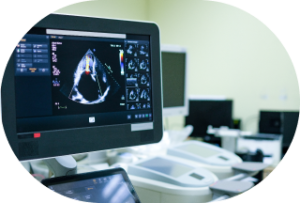
Echocardiogram
An echocardiogram is an ultrasound scan that shows the heart’s structure and surrounding blood vessels. It allows us to analyse how blood flows through them and assess the heart’s pumping chambers.
Book your consultation with Dr Ravi Assomull today
Looking after your heart is the most important thing you can do to improve your longevity and quality of life in the long term.
We’re here for you during your journey to better heart health. We provide tests and management strategies to help identify what might be wrong and where you can improve your lifestyle to reach prime heart health.

Book an appointment today to speak to our expert Integrative Cardiologist, Dr Ravi Assomull, about your heart concerns.
You can email us at: enquiries@cardiologist.london
Or call us at: 020 3576 2885
Frequently asked questions
Short answers from Dr Ravi Assomull, consultant cardiologist - each one is also available as a video.
What are ectopic heartbeats and why do they happen?
Ectopic heartbeats are very common and often cause noticeable palpitations. In this video, Dr Ravi Assomull describes why these extra beats occur and why they are usually harmless. Watch Dr Assomull's answer (0:33).
What triggers ectopic heartbeats and how can they be reduced?
Certain lifestyle and medical factors can increase the frequency of ectopic heartbeats. In this video, Dr Ravi Assomull, a Private Cardiologist in London, explains common triggers and how symptoms can be reduced. Watch Dr Assomull's answer (0:55).
Are ectopic heartbeats dangerous and when should they be checked?
Many people experience ectopic heartbeats, but knowing when to investigate them is important. In this video, Dr Ravi Assomull explains when ectopics are harmless and when ECGs and further tests are required. Watch Dr Assomull's answer (0:39).
How are ectopic heartbeats diagnosed and monitored?
The diagnosis of ectopic heartbeats relies on correlating symptoms with heart rhythm recordings. In this video, Dr Ravi Assomull, a Private Cardiologist in London, explains how ECG monitors are used to assess ectopic beats. Watch Dr Assomull's answer (0:39).
How are ectopic heartbeats treated and when is treatment needed?
Treatment options for ectopic heartbeats are discussed, from lifestyle changes to medication and catheter ablation. In this video, Dr Ravi Assomull explains when reassurance alone is sufficient. Watch Dr Assomull's answer (0:49).
Is it safe to exercise if you have ectopic heartbeats?
Exercise is often safe for people experiencing ectopic heartbeats. In this video, Dr Ravi Assomull describes when physical activity is encouraged and when symptoms should prompt further assessment. Watch Dr Assomull's answer (0:22).