
Atrial fibrillation
5.0 on GoogleWorried about atrial fibrillation? Learn more about the diagnosis tests and personalised treatment plans we can offer to help you manage your condition.

 Registered. Regulated. Trusted.CQC-registered clinic · GMC-registered clinicians
 Living with atrial fibrillation can be daunting, but you’re not alone. Our team is here to guide you through every step of your journey. You can live a full, active life with the right care and management.

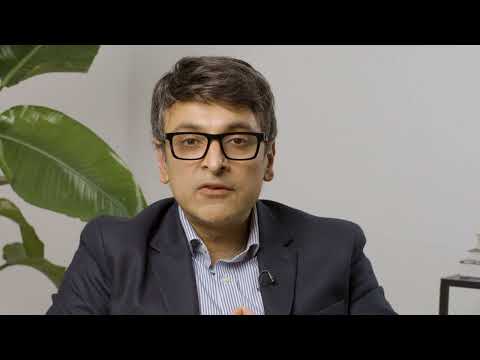
Dr Ravi Assomull, Consultant Cardiologist and Founder
Video FAQs
View our short videos designed specifically to answer your questions


Summary
In this video, Dr Ravi Assomull, a leading private cardiologist in London, explains what atrial fibrillation is and why it increases stroke risk. He outlines how the atria stop contracting normally and begin to fibrillate, allowing clots to form and travel to the brain. Clear guidance from a trusted London heart specialist.
Transcript
Atrial fibrillation is the most common heart rhythm disorder affecting people in this country. We believe it affects 1.5 million people currently, with unfortunately around 370,000 people totally unaware they even have it. It's critical to know you've got atrial fibrillation because unfortunately having this diagnosis increases your risk of stroke. What do I mean when I say atrial fibrillation? Well, very simply, what normally happens is the collecting chambers of the heart, the atria, contracts in a synchronised fashion. In atrial fibrillation, that stops and the atria starts shaking around, they start fibrillating. Now, when the atria starts fibrillating, what happens is clots can form in the heart because the blood is stagnant. And the real risk here is those clots can be propagated from the collecting chambers of the heart to the pumping chambers of the heart and outwards into the brain where it can cause a large and life-changing stroke.

Summary
In this video, Dr Ravi Assomull, a leading private cardiologist in London, outlines the key symptoms of atrial fibrillation, including fast irregular heartbeats, fatigue and breathlessness. He explains why some people have no symptoms at all and how this increases the risk of an undiagnosed stroke. Essential guidance from an experienced London heart specialist.
Transcript
The symptoms of atrial fibrillation typically are one of a fast, irregular heartbeat, and these can be associated with other symptoms such as fatigue, breathlessness and chest pain. However, in a proportion of people, there are no symptoms whatsoever. Now this may sound like good news, but actually it's not. Because when you have no symptoms, we cannot make the diagnosis of atrial fibrillation because you may not come to your doctor. And failing to make the diagnosis of atrial fibrillation puts you at an increased risk of stroke.

Summary
In this video, Dr Ravi Assomull, a leading private cardiologist in London, explains the common causes of atrial fibrillation. He discusses age related risk, underlying heart disease, conditions such as cardiomyopathy and the impact of lifestyle factors including alcohol. Essential viewing for anyone seeking expert advice from a trusted London heart specialist.
Transcript
Atrial fibrillation can occur for a variety of reasons. Above the age of 80, it affects 1 in 10 people. The commonest causes of atrial fibrillation are underlying heart disease such as hypertension, coronary disease, and also if you have any pre-existing cardiovascular conditions such as leaking valves or heart muscle disorders known as cardiomyopathies. Finally, lifestyle factors such as alcohol consumption can affect atrial fibrillation, and certainly we have seen atrial fibrillation in people who have had alcoholic binges.
Summary
In this video, Dr Ravi Assomull, a leading private cardiologist in London, explains how atrial fibrillation is highly manageable. He discusses stroke prevention with anticoagulants, symptom control through medication, and treatments such as cardioversion and ablation. Dr Assomull also highlights the importance of lifestyle changes. Ideal for anyone seeking clear guidance from a London heart specialist.
Transcript
Atrial fibrillation is very much manageable. There are two key facets we need to get on top of here. First, and by far the most important thing, is stroke risk. If atrial fibrillation is present and you are at increased risk of stroke, either due to your age or any pre-existing conditions such as high blood pressure, diabetes, or if you've had a stroke before, then you would be a candidate for medications that are called anticoagulants. These thin your blood and prevent clots forming in your heart and massively reduce your risk of stroke. The second facet we need to manage when we have someone with atrial fibrillation is symptoms. Now if you've got no symptoms, it may be that nothing needs to be done at all. However, if atrial fibrillation causes symptoms because you're feeling that lack of cardiac output, when you get atrial fibrillation you lose 20% of your cardiac output, then actually treatments simply such as medications by slowing your heart down should make you feel better. But if that fails to work, then we have procedures that can restore your heart back into a normal heart rhythm, things like cardioversion, which is a controlled electrical shock to your heart done under deep sedation, or more complex procedures such as ablations, where you have the best chance of staying free from atrial fibrillation in the long term. Having said all of this, we shouldn't forget lifestyle factors. And we know that drinking less alcohol, exercising more, getting adequate sleep, excluding other conditions such as obstructive sleep apnoea, play a critically important role.

Summary
In this video, Dr Ravi Assomull, a leading private cardiologist in London, explains why atrial fibrillation cannot currently be cured. He outlines how medication, cardioversion and ongoing management can control symptoms, while new research aims to reduce recurrence. If you need expert advice from a London heart specialist, this video offers clear guidance.
Transcript
In all brutal honesty, atrial fibrillation currently cannot be cured. It's certainly something that can be controlled, but we need to be cognizant of the fact that once you develop atrial fibrillation, regardless of what initial therapies we put in place, be those tablets or procedures such as cardioversion, there is a fair chance that you will have a recurrence in your lifetime. However, having said that, there is ongoing research and new trials that minimise the risk of recurrence of atrial fibrillation. But the truth is that atrial fibrillation currently is incurable.
Key symptoms of atrial fibrillation

Shortness of breath
Shortness of breath is when you find breathing challenging, wheezing, or breathlessness. Other heart conditions such as angina, atrial fibrillation, and heart failure can all cause shortness of breath.

Fatigue or feeling weak
Fatigue is the feeling that you lack the energy or motivation to do anything physically and mentally. Sometimes, you may feel like you can’t keep your eyes open or find it difficult to do tasks because of tiredness.

Chest pain
Chest pain is the sensation of pain in the breast area. You may feel squeezing, pressing, tightness, burning, or a heaviness radiating to the neck, shoulder, and left arm.
Recommended tests for atrial fibrillation
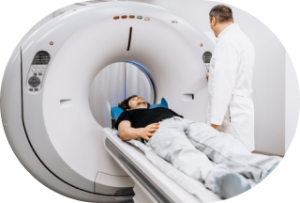
Heart CT scan
A heart CT scan uses many X-rays from different angles to build images of your heart using a scanner and computer. This can help us see problems with the structures of the heart and issues with valves, arteries, and more.
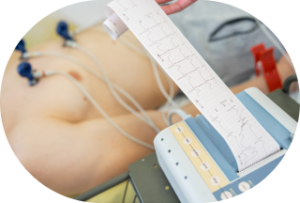
Electrocardiogram (ECG)
An electrocardiogram is a test that measures and records your heart’s electrical activity and rhythm, including the strength and speed of your heartbeat.

Ambulatory ECG monitor
An ambulatory ECG monitor helps us monitor your heart’s rhythm over a long period while you go about your daily life.
Book your consultation with Dr Ravi Assomull today
Looking after your heart is the most important thing you can do to improve your longevity and quality of life in the long term.
We’re here for you during your journey to better heart health. We provide tests and management strategies to help identify what might be wrong and where you can improve your lifestyle to reach prime heart health.
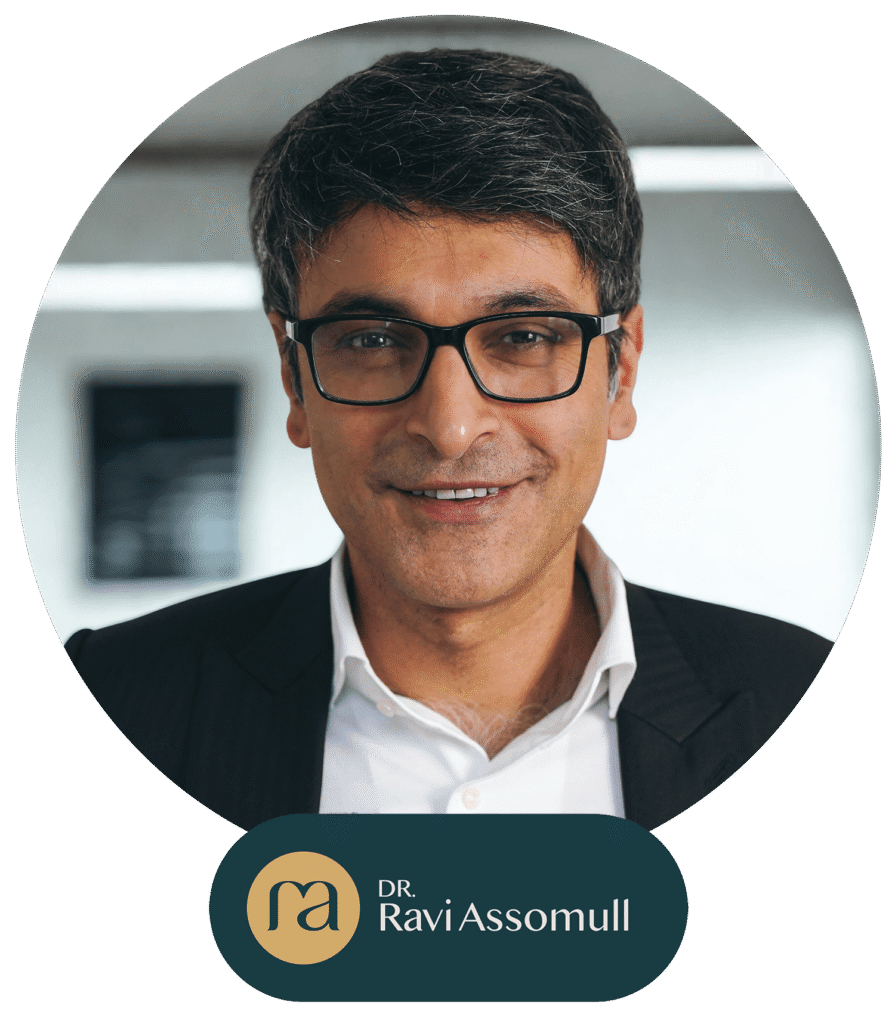
Book an appointment today to speak to our expert Integrative Cardiologist, Dr Ravi Assomull, about your heart concerns.
You can email us at: enquiries@cardiologist.london
Or call us at: 020 3576 2885
Frequently asked questions
Short answers from Dr Ravi Assomull, consultant cardiologist - each one is also available as a video.
What is atrial fibrillation?
In this video, Dr Ravi Assomull, a leading private cardiologist in London, explains what atrial fibrillation is and why it increases stroke risk. He outlines how the atria stop contracting normally and begin to fibrillate, allowing clots to form and travel to the brain. Clear guidance from a trusted London heart specialist. Watch Dr Assomull's answer (0:57).
What are the symptoms of atrial fibrillation?
In this video, Dr Ravi Assomull, a leading private cardiologist in London, outlines the key symptoms of atrial fibrillation, including fast irregular heartbeats, fatigue and breathlessness. He explains why some people have no symptoms at all and how this increases the risk of an undiagnosed stroke. Essential guidance from an experienced London heart specialist. Watch Dr Assomull's answer (0:32).
Why does atrial fibrillation occur?
In this video, Dr Ravi Assomull, a leading private cardiologist in London, explains the common causes of atrial fibrillation. He discusses age related risk, underlying heart disease, conditions such as cardiomyopathy and the impact of lifestyle factors including alcohol. Essential viewing for anyone seeking expert advice from a trusted London heart specialist. Watch Dr Assomull's answer (0:35).
Is atrial fibrillation manageable?
In this video, Dr Ravi Assomull, a leading private cardiologist in London, explains how atrial fibrillation is highly manageable. He discusses stroke prevention with anticoagulants, symptom control through medication, and treatments such as cardioversion and ablation. Dr Assomull also highlights the importance of lifestyle changes. Ideal for anyone seeking clear guidance from a London heart specialist. Watch Dr Assomull's answer (1:35).
Can atrial fibrillation be cured?
In this video, Dr Ravi Assomull, a leading private cardiologist in London, explains why atrial fibrillation cannot currently be cured. He outlines how medication, cardioversion and ongoing management can control symptoms, while new research aims to reduce recurrence. If you need expert advice from a London heart specialist, this video offers clear guidance. Watch Dr Assomull's answer (0:37).