
Conditions
Heart attack
5.0 on GoogleLearn about heart attacks – symptoms, causes, and treatments. Our experts provide diagnostics and personalised care to help you prevent future attacks.

 Registered. Regulated. Trusted.CQC-registered clinic · GMC-registered clinicians
 A heart attack is a serious health concern and needs to be treated immediately. Knowing the signs of an attack could save your life or someone else’s.

Dr Ravi Assomull, Consultant Cardiologist and Founder

Summary
Recognising heart attack symptoms quickly can be life saving. In this video, Dr Ravi Assomull describes the typical warning signs and when to call emergency services.
Transcript
The typical symptoms of a heart attack are one of a central crushing chest pain that typically radiates to the left arm. This can be associated with other symptoms such as nausea and sweating. If you experience these symptoms, you should dial 999 without delay.
Key symptoms of Heart attack
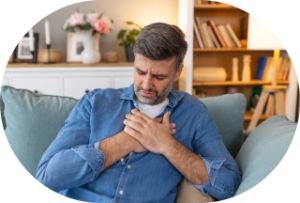
Chest pain
Chest pain is the sensation of pain in the breast area. You may feel squeezing, pressing, tightness, burning, or a heaviness radiating to the neck, shoulder, and left arm.

Sweating
Sweating is the release of salt-based fluid from your sweat glands to help regulate your body temperature. This happens during a heart attack because your body is trying to keep your body temperature down during the extra exertion of your heart.
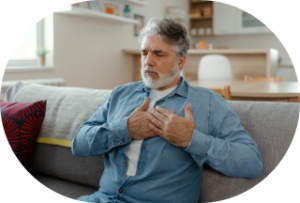
Shortness of breath
Shortness of breath is when you find breathing challenging, wheezing, or breathlessness. Other heart conditions such as angina, atrial fibrillation, and heart failure can all cause shortness of breath.
Recommended tests for Heart attack
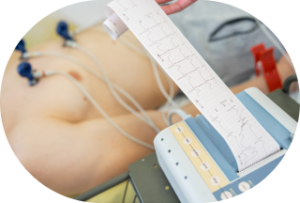
Electrocardiogram (ECG or EKG)
An electrocardiogram is a test that measures and records your heart’s electrical activity and rhythm, including the strength and speed of your heartbeat.
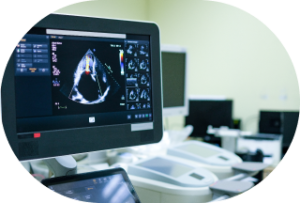
Echocardiogram
An echocardiogram is an ultrasound scan that shows the heart’s structure and surrounding blood vessels. It allows us to analyse how blood flows through them and assess the heart’s pumping chambers.
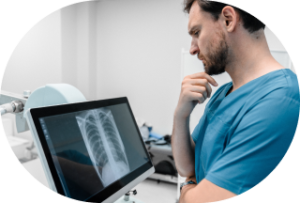
Chest X-ray
A chest X-ray is a scan that can provide images of the heart, lungs, blood vessels, and much more. It helps show us the size and shape of the heart and detect any abnormalities.
Book your consultation with Dr Ravi Assomull today
Looking after your heart is the most important thing you can do to improve your longevity and quality of life in the long term.
We’re here for you during your journey to better heart health. We provide tests and management strategies to help identify what might be wrong and where you can improve your lifestyle to reach prime heart health.

Book an appointment today to speak to our expert Integrative Cardiologist, Dr Ravi Assomull, about your heart concerns.
You can email us at: enquiries@cardiologist.london
Or call us at: 020 3576 2885
Frequently asked questions
Short answers from Dr Ravi Assomull, consultant cardiologist - each one is also available as a video.
Do statins reduce the risk of heart attack or stroke?
In this video, Dr. Ravi Assomull explains how statins lower the risk of heart attacks and strokes by reducing inflammation and stabilising plaque in the arteries. This is pronounced in people who are at high risk or who have already experienced a cardiovascular event. Watch Dr Assomull's answer (0:19).
What are the signs of a heart attack?
Recognising heart attack symptoms quickly can be life saving. In this video, Dr Ravi Assomull describes the typical warning signs and when to call emergency services. Watch Dr Assomull's answer (0:22).