
Angina
5.0 on GoogleAngina is chest pain or tightness that happens when the heart muscle is not getting enough blood. Learn how to recognise it, why it matters and how expert assessment and treatment can protect you from a heart attack.

 Registered. Regulated. Trusted.CQC-registered clinic · GMC-registered clinicians
 Angina is your heart's way of telling you it is not getting enough blood. It should never be ignored, but assessed properly and early it is very treatable, and we can dramatically reduce your risk of a heart attack.

Dr Ravi Assomull, Consultant Cardiologist and Founder
Key symptoms of Angina

Chest pain
Chest pain is the sensation of pain in the breast area. You may feel squeezing, pressing, tightness, burning, or a heaviness radiating to the neck, shoulder, and left arm.

Shortness of breath
Shortness of breath is when you find breathing challenging, wheezing, or breathlessness. Other heart conditions such as angina, atrial fibrillation, and heart failure can all cause shortness of breath.

Sweating
Sweating is the release of salt-based fluid from your sweat glands to help regulate your body temperature. This happens during a heart attack because your body is trying to keep your body temperature down during the extra exertion of your heart.
Recommended tests for Angina
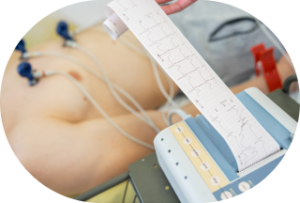
Electrocardiogram (ECG or EKG)
An electrocardiogram is a test that measures and records your heart’s electrical activity and rhythm, including the strength and speed of your heartbeat.
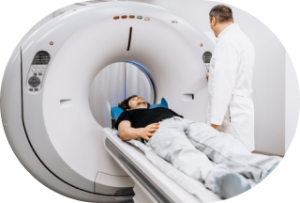
CT scan
A heart CT scan uses many X-rays from different angles to build images of your heart using a scanner and computer. This can help us see problems with the structures of the heart and issues with valves, arteries, and more.

Stress tests
This test involves monitoring your heart rate whilst you are exercising – either on a treadmill or an exercise bike. This can help us detect any abnormalities while you are overexerting your heart.
Book your consultation with Dr Ravi Assomull today
Looking after your heart is the most important thing you can do to improve your longevity and quality of life in the long term.
We’re here for you during your journey to better heart health. We provide tests and management strategies to help identify what might be wrong and where you can improve your lifestyle to reach prime heart health.

Book an appointment today to speak to our expert Integrative Cardiologist, Dr Ravi Assomull, about your heart concerns.
You can email us at: enquiries@cardiologist.london
Or call us at: 020 3576 2885
Frequently asked questions
Answers from the team at Cardiologist London. For personalised advice, book a consultation or call 020 3576 2885.
What does angina feel like?
Angina typically feels like tightness, pressure or a dull ache in the chest, sometimes spreading to the arms, neck, jaw or back. It is usually triggered by exertion or stress and eases within a few minutes of rest. Some people notice breathlessness or fatigue rather than pain.
Is angina the same as a heart attack?
No. Angina is a warning symptom caused by restricted blood flow to the heart muscle, most often from narrowed coronary arteries; a heart attack is when that blood supply becomes blocked and heart muscle is damaged. Angina that comes on at rest, lasts more than a few minutes or is rapidly worsening should be treated as an emergency - call 999.
How is angina diagnosed?
Diagnosis starts with a detailed history and examination, an ECG and blood tests. Depending on the picture, Dr Assomull may arrange a CT coronary angiogram, stress echocardiogram or exercise ECG to look at the coronary arteries and how the heart performs under load.
Can angina be treated?
Yes. Treatment combines medication to relieve symptoms and protect the heart, structured management of risk factors such as blood pressure and cholesterol, and lifestyle change. Where the arteries are significantly narrowed, procedures such as stenting or bypass surgery may be recommended.