
Fainting
5.0 on GoogleHead/mental health-related symptom
Book your consultation Call 020 3576 2885

 Registered. Regulated. Trusted.CQC-registered clinic · GMC-registered clinicians
Related heart conditions
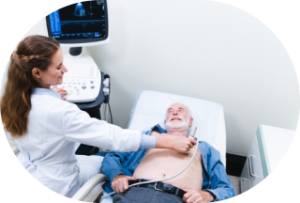
Cardiomyopathy
Cardiomyopathy is a disease of the heart that makes it hard for your heart to pump blood around the body.
Tests to further investigate concerns
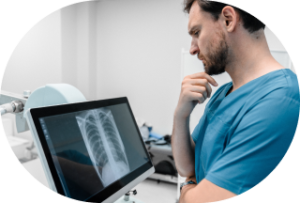
Chest X-ray
A chest X-ray is a scan that can provide images of the heart, lungs, blood vessels, and much more. It helps show us the size and shape of the heart and detect any abnormalities.
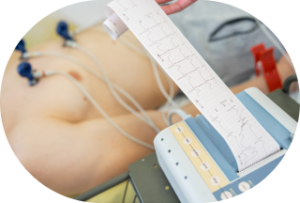
Electrocardiogram (ECG or EKG)
An electrocardiogram is a test that measures and records your heart’s electrical activity and rhythm, including the strength and speed of your heartbeat.
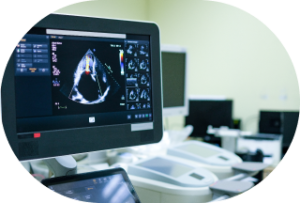
Echocardiogram
An echocardiogram is an ultrasound scan that shows the heart’s structure and surrounding blood vessels. It allows us to analyse how blood flows through them and assess the heart’s pumping chambers.
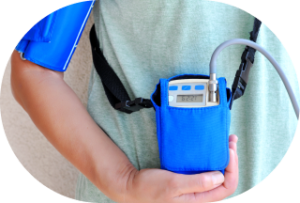
Ambulatory ECG monitor
Ambulatory electrocardiogram (ECG) monitors are devices that help take readings of your heart’s electrical activity during your daily activities over a longer period of time.
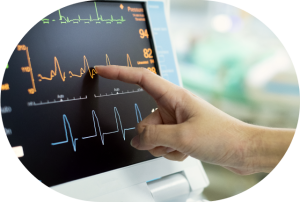
24 hour blood pressure monitor
A 24-hour blood pressure monitor is a portable blood pressure cuff attached to a small recording device to help detect your pressure levels outside the clinic setting.
Book your consultation with Dr Ravi Assomull today
Looking after your heart is the most important thing you can do to improve your longevity and quality of life in the long term.
We’re here for you during your journey to better heart health. We provide tests and management strategies to help identify what might be wrong and where you can improve your lifestyle to reach prime heart health.

Book an appointment today to speak to our expert Integrative Cardiologist, Dr Ravi Assomull, about your heart concerns.
You can email us at: enquiries@cardiologist.london
Or call us at: 020 3576 2885
Frequently asked questions
Answers from the team at Cardiologist London. For personalised advice, book a consultation or call 020 3576 2885.
Is fainting dangerous?
A single faint with a clear trigger - heat, dehydration, standing quickly, the sight of blood - is common and usually benign. Fainting during exercise, while sitting or lying down, without warning, or with a family history of sudden cardiac death needs urgent cardiology assessment.
What causes fainting?
Most faints are vasovagal - a reflex drop in heart rate and blood pressure. Cardiac causes include rhythm disturbances (too fast or too slow) and, less commonly, structural problems that limit blood flow. The history around the episode is the single most useful diagnostic clue.
How is unexplained fainting investigated?
An ECG first, then usually an ambulatory monitor worn long enough to catch an episode, an echocardiogram to check the heart's structure, and a tilt table test where reflex fainting is suspected. Most people get a clear explanation and an effective management plan.