
Fatigue
5.0 on GoogleGeneral health-related symptom
Book your consultation Call 020 3576 2885

 Registered. Regulated. Trusted.CQC-registered clinic · GMC-registered clinicians
Related heart conditions

Arrhythmia
This condition is when electrical impulses are blocked or delayed in your heart, affecting your heartbeat.
Cardiomyopathy
Cardiomyopathy is a disease of the heart that makes it hard for your heart to pump blood around the body.

Heart disease
Heart disease (also known as cardiovascular disease) is an umbrella term for conditions affecting the heart and blood vessels.
Tests to further investigate concerns

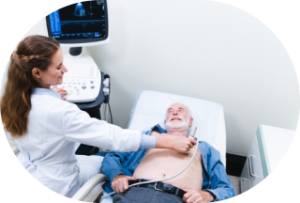
Echocardiogram
An echocardiogram is an ultrasound scan that shows the heart’s structure and surrounding blood vessels. It allows us to analyse how blood flows through them and assess the heart’s pumping chambers.

Stress tests
This test involves monitoring your heart rate whilst you are exercising – either on a treadmill or an exercise bike. This can help us detect any abnormalities while you are overexerting your heart.
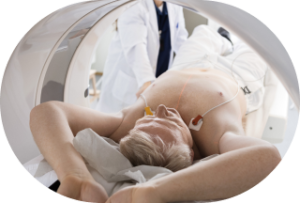
Heart MRI scan
We can use MRI scans to see a detailed picture of your heart and blood vessels without needing invasive processes.
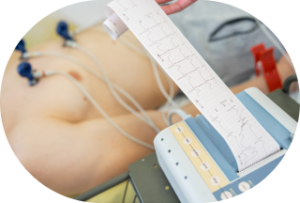
Electrocardiogram (ECG or EKG)
An electrocardiogram is a test that measures and records your heart’s electrical activity and rhythm, including the strength and speed of your heartbeat.
Book your consultation with Dr Ravi Assomull today
Looking after your heart is the most important thing you can do to improve your longevity and quality of life in the long term.
We’re here for you during your journey to better heart health. We provide tests and management strategies to help identify what might be wrong and where you can improve your lifestyle to reach prime heart health.

Book an appointment today to speak to our expert Integrative Cardiologist, Dr Ravi Assomull, about your heart concerns.
You can email us at: enquiries@cardiologist.london
Or call us at: 020 3576 2885
Frequently asked questions
Answers from the team at Cardiologist London. For personalised advice, book a consultation or call 020 3576 2885.
Can heart problems cause tiredness?
Yes. Persistent, disproportionate fatigue can be an early sign of heart failure, valve disease or a rhythm problem such as atrial fibrillation - the body's tissues receive less oxygen-rich blood, so everything feels harder. It is also one of the most overlooked cardiac symptoms.
When should fatigue prompt a heart check?
When it is new and unexplained, progressive, or accompanied by breathlessness, ankle swelling, palpitations or reduced exercise tolerance - particularly if you have risk factors such as high blood pressure, diabetes, high cholesterol or a family history of heart disease.
Which tests look for a cardiac cause of fatigue?
Blood tests (including thyroid, iron and a heart-strain marker where appropriate), an ECG, an echocardiogram to measure pumping function, and ambulatory monitoring if a rhythm problem is suspected. Many causes found this way are very treatable.