
Low blood pressure (hypotension)
5.0 on GoogleGeneral health-related symptom
Book your consultation Call 020 3576 2885

 Registered. Regulated. Trusted.CQC-registered clinic · GMC-registered clinicians
Related heart conditions

Heart disease
Heart disease (also known as cardiovascular disease) is an umbrella term for conditions affecting the heart and blood vessels.
Tests to further investigate concerns
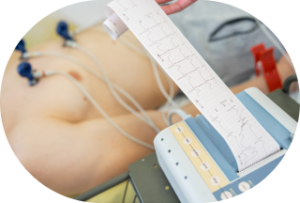
Electrocardiogram (ECG or EKG)
An electrocardiogram is a test that measures and records your heart’s electrical activity and rhythm, including the strength and speed of your heartbeat.
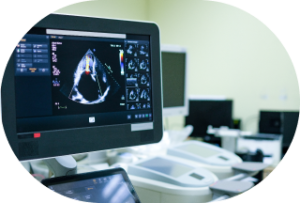
Echocardiogram
An echocardiogram is an ultrasound scan that shows the heart’s structure and surrounding blood vessels. It allows us to analyse how blood flows through them and assess the heart’s pumping chambers.
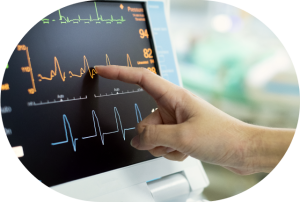
24 hour blood pressure monitor
A 24-hour blood pressure monitor is a portable blood pressure cuff attached to a small recording device to help detect your pressure levels outside the clinic setting.
Tilt table test
This test involves changing your position while strapped to a turning table to see how your heart rate, rhythm, and blood pressure respond.
Book your consultation with Dr Ravi Assomull today
Looking after your heart is the most important thing you can do to improve your longevity and quality of life in the long term.
We’re here for you during your journey to better heart health. We provide tests and management strategies to help identify what might be wrong and where you can improve your lifestyle to reach prime heart health.

Book an appointment today to speak to our expert Integrative Cardiologist, Dr Ravi Assomull, about your heart concerns.
You can email us at: enquiries@cardiologist.london
Or call us at: 020 3576 2885
Frequently asked questions
Answers from the team at Cardiologist London. For personalised advice, book a consultation or call 020 3576 2885.
Is low blood pressure dangerous?
For many healthy people a naturally low blood pressure is harmless - even advantageous. It matters when it causes symptoms such as dizziness, fainting or falls, or when it is a side effect of medication or a sign of an underlying condition.
What symptoms can low blood pressure cause?
Light-headedness on standing, blurred vision, weakness, fatigue and fainting. Symptoms that occur predictably when standing up (postural hypotension) are particularly worth investigating, as they are common and very manageable once diagnosed.
How is symptomatic low blood pressure investigated?
Lying and standing blood pressure readings, a 24-hour blood pressure monitor to see the pattern across the day, a medication review, blood tests, an ECG - and a tilt table test where fainting is the main problem.