
Shortness of breath
5.0 on Googlealso known as breathlessness
Book your consultation Call 020 3576 2885

 Registered. Regulated. Trusted.CQC-registered clinic · GMC-registered clinicians
Related heart conditions
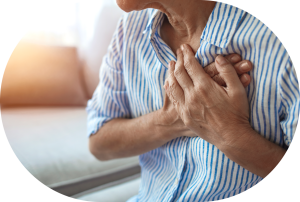
Heart attack
A heart attack is when the blood supply to the heart gets blocked, causing damage to the muscle.
Tests to further investigate concerns
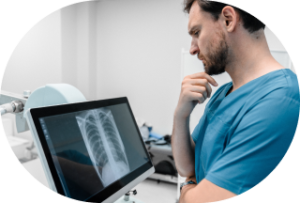
Chest X-ray
A chest X-ray is a scan that can provide images of the heart, lungs, blood vessels, and much more. It helps show us the size and shape of the heart and detect any abnormalities.
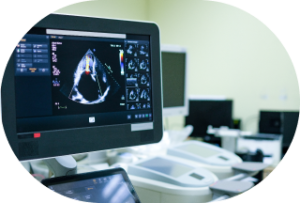
Echocardiogram
An echocardiogram is an ultrasound scan that shows the heart’s structure and surrounding blood vessels. It allows us to analyse how blood flows through them and assess the heart’s pumping chambers.
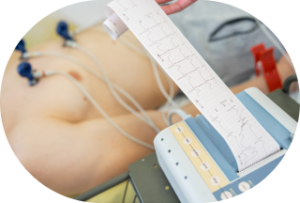
Electrocardiogram (ECG or EKG)
An electrocardiogram is a test that measures and records your heart’s electrical activity and rhythm, including the strength and speed of your heartbeat.
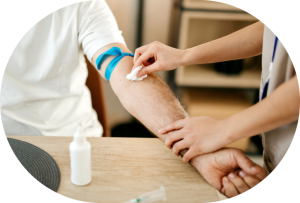
Blood tests
Blood tests help us assess how well your heart functions, identify risk factors and monitor certain heart conditions.
Book your consultation with Dr Ravi Assomull today
Looking after your heart is the most important thing you can do to improve your longevity and quality of life in the long term.
We’re here for you during your journey to better heart health. We provide tests and management strategies to help identify what might be wrong and where you can improve your lifestyle to reach prime heart health.

Book an appointment today to speak to our expert Integrative Cardiologist, Dr Ravi Assomull, about your heart concerns.
You can email us at: enquiries@cardiologist.london
Or call us at: 020 3576 2885
Frequently asked questions
Answers from the team at Cardiologist London. For personalised advice, book a consultation or call 020 3576 2885.
When is shortness of breath heart-related?
Breathlessness on exertion that is new or progressive, breathlessness when lying flat, or waking at night gasping for air are classic cardiac patterns - seen in heart failure, valve disease and some rhythm problems. Lung conditions, anaemia and deconditioning can look similar, which is why testing matters.
When is breathlessness an emergency?
Sudden severe breathlessness, breathlessness with chest pain, or with fainting, blue lips or confusion - call 999. These can indicate a heart attack, a pulmonary embolism or acute heart failure.
How is breathlessness investigated?
An ECG, blood tests (including a heart-strain marker), a chest X-ray and an echocardiogram cover the main cardiac causes. Where the diagnosis is unclear, exercise testing shows how the heart and lungs perform under real load.