
Swelling in legs, ankles & feet
5.0 on GoogleGeneral health-related symptom
Book your consultation Call 020 3576 2885

 Registered. Regulated. Trusted.CQC-registered clinic · GMC-registered clinicians
Related heart conditions

Heart disease
Heart disease (also known as cardiovascular disease) is an umbrella term for conditions affecting the heart and blood vessels.
Tests to further investigate concerns
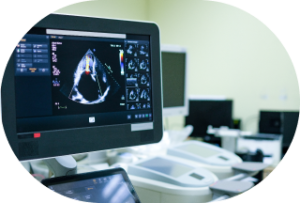
Echocardiogram
An echocardiogram is an ultrasound scan that shows the heart’s structure and surrounding blood vessels. It allows us to analyse how blood flows through them and assess the heart’s pumping chambers.
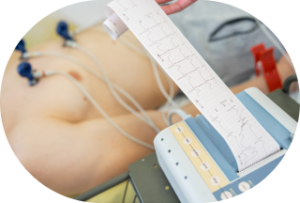
Electrocardiogram (ECG or EKG)
An electrocardiogram is a test that measures and records your heart’s electrical activity and rhythm, including the strength and speed of your heartbeat.
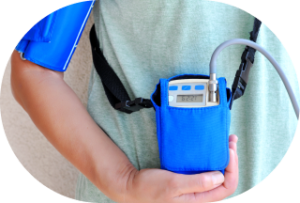
Ambulatory ECG monitor
Ambulatory electrocardiogram (ECG) monitors are devices that help take readings of your heart’s electrical activity during your daily activities over a longer period of time.
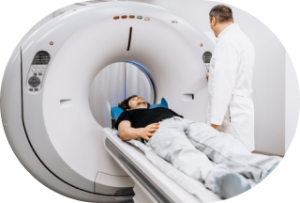
MRI scan
A heart MRI scan uses magnetic and radio waves to show detailed pictures of the inside of your heart. Like a CT scan, this test can show issues with the heart and the surrounding vessels.
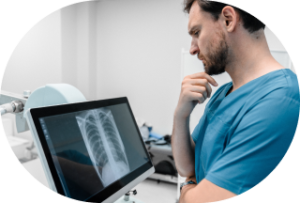
Chest X-ray
A chest X-ray is a scan that can provide images of the heart, lungs, blood vessels, and much more. It helps show us the size and shape of the heart and detect any abnormalities.
Book your consultation with Dr Ravi Assomull today
Looking after your heart is the most important thing you can do to improve your longevity and quality of life in the long term.
We’re here for you during your journey to better heart health. We provide tests and management strategies to help identify what might be wrong and where you can improve your lifestyle to reach prime heart health.

Book an appointment today to speak to our expert Integrative Cardiologist, Dr Ravi Assomull, about your heart concerns.
You can email us at: enquiries@cardiologist.london
Or call us at: 020 3576 2885
Frequently asked questions
Answers from the team at Cardiologist London. For personalised advice, book a consultation or call 020 3576 2885.
What causes swollen ankles and legs?
Fluid retention (oedema) from prolonged standing, heat, medication side effects (including some blood pressure tablets), vein problems, kidney or liver conditions - and the heart: when it pumps less effectively, fluid accumulates in the lowest parts of the body.
When is ankle swelling a sign of heart failure?
When it develops alongside breathlessness on exertion or lying flat, fatigue, or rapid weight gain over days. Swelling in one leg only - especially if painful, red or warm - could be a blood clot (DVT) and needs same-day medical attention.
How is heart-related swelling diagnosed and treated?
An echocardiogram is the key test, alongside an ECG and blood tests including a heart-strain marker (NT-proBNP). If heart failure is confirmed, modern medication regimens are highly effective at controlling fluid and protecting the heart - early diagnosis makes a real difference.