
Chest pain
5.0 on GoogleChest-related symptom
Many different factors, including heart-related conditions, can cause chest pain. Learn more about what to look for if you experience this symptom and when to seek medical advice.
Book your consultation Call 020 3576 2885

 Registered. Regulated. Trusted.CQC-registered clinic · GMC-registered clinicians
 Chest pain can be worrying, but we are here to help you. Our expert team can help you get to the bottom of what is causing your symptoms and give you a thorough, accurate diagnosis.


Dr Ravi Assomull, Consultant Cardiologist and Founder
Related heart conditions

Heart attack
A heart attack occurs when blood is suddenly blocked from flowing to the heart, causing damage to the heart’s tissue.

Heart disease
Heart disease (also known as cardiovascular disease) is an umbrella term for conditions affecting the heart and blood vessels.

Heart failure
Heart failure is a condition in which the heart can’t properly pump blood around the body.
Tests to further investigate concerns
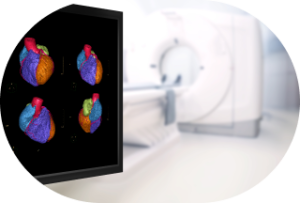
CT coronary angiogram
A CT coronary angiogram can help us examine heart arteries and assess your cardiovascular health precisely.

Stress echocardiogram
An exercise echocardiogram is a type of ultrasound scan. It helps detect how well your heart is working while you are participating in a physical activity such as running.
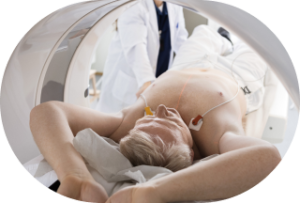
Heart MRI scan
We can use MRI scans to see a detailed picture of your heart and blood vessels without needing invasive processes.
Book your consultation with Dr Ravi Assomull today
Looking after your heart is the most important thing you can do to improve your longevity and quality of life in the long term.
We’re here for you during your journey to better heart health. We provide tests and management strategies to help identify what might be wrong and where you can improve your lifestyle to reach prime heart health.

Book an appointment today to speak to our expert Integrative Cardiologist, Dr Ravi Assomull, about your heart concerns.
You can email us at: enquiries@cardiologist.london
Or call us at: 020 3576 2885
Frequently asked questions
Short answers from Dr Ravi Assomull, consultant cardiologist - each one is also available as a video.
What can cause chest pain?
Chest pain has many possible causes, but ruling out heart related conditions such as angina or a heart attack is the first priority. Dr Ravi Assomull explains the various non-cardiac causes of chest discomfort: from muscle strain and costochondritis to acid reflux, which can mimic heart attack symptoms. If your chest pain is persistent or worrying, a consultation with an experienced cardiologist can help rule out serious issues using the latest diagnostic tools. Watch Dr Assomull's answer (0:49).
Should I be worried about chest pain?
Chest pain should never be ignored. In this important video, Dr Ravi Assomull shares when chest pain could be a medical emergency, especially if severe or sudden, and why you should call 999 if in doubt. Watch Dr Assomull's answer (0:15).
I get chest pains when I run, should I be concerned?
Chest pain that occurs during exercise is a cause for concern, as it may indicate angina. Angina is caused by narrowed or blocked heart arteries and increases the risk of a heart attack. Assessment is essential and often includes tests such as a CT coronary angiogram to look for arterial blockages. In many cases, angina can be effectively managed with medication once properly diagnosed. Using a combination of clinical expertise and advanced cardiac imaging, Dr Assomull delivers rapid, accurate diagnoses to help keep your heart safe. Watch Dr Assomull's answer (0:33).