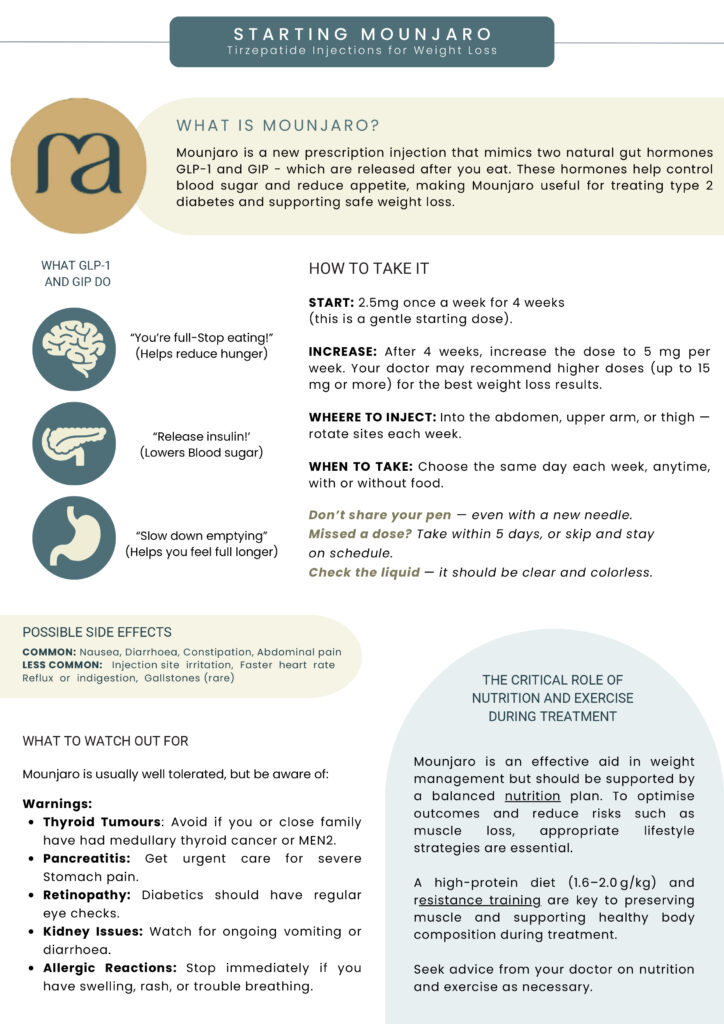
Click to view our Starting Mounjaro Guide

Short answers from Dr Ravi Assomull, consultant cardiologist - each one is also available as a video.
In this introductory video, Dr. Ravi Assomull explains what GLP-1 agonists are and how they function in the body. These medications mimic a natural hormone that regulates appetite, blood sugar, and weight and they have also been shown to protect heart health and reduce the risk of heart attacks and strokes. Watch Dr Assomull's answer (0:25).
Dr. Ravi Assomull explains the criteria for qualifying for GLP-1 treatment. These medications are suitable for people with type 2 diabetes, those who are overweight or obese, or individuals with additional cardiovascular risk factors such as high blood pressure, cholesterol issues, or existing heart disease. Watch Dr Assomull's answer (0:20).
In this video, Dr. Ravi Assomull explains that GLP-1 agonists are generally safe to use alongside other medications, including common diabetes treatments like metformin or insulin. He highlights how these drugs can fit into broader treatment plans without conflict. Watch Dr Assomull's answer (0:14).
Dr. Ravi Assomull outlines which patients should avoid GLP-1 agonists. These include individuals with a personal or family history of certain thyroid cancers, such as medullary thyroid carcinoma, as well as those who have experienced pancreatitis or have certain gastrointestinal conditions. This video helps viewers understand important safety considerations. Watch Dr Assomull's answer (0:30).
In this video, Dr. Ravi Assomull discusses the cardiovascular benefits of GLP-1 medications in people who are overweight or have diabetes. These include reducing the risk of heart attacks and strokes. He explains how these medications work by lowering blood sugar, reducing blood pressure, and combating inflammation. Watch Dr Assomull's answer (0:20).
Dr. Ravi Assomull explains how progress is monitored while on GLP-1 therapy. By tracking key indicators like weight, blood pressure, cholesterol, and blood sugar, clinicians can assess how well the treatment is working and adjust the dosage if needed. This video provides reassurance on how effectiveness is measured over time. Watch Dr Assomull's answer (0:23).