
Anxiety
5.0 on GoogleHead/mental health-related symptom
Book your consultation Call 020 3576 2885

 Registered. Regulated. Trusted.CQC-registered clinic · GMC-registered clinicians
Tests to further investigate concerns

Health MOT
Knowing your general health is essential in painting a complete picture of what may be causing your heart concerns.
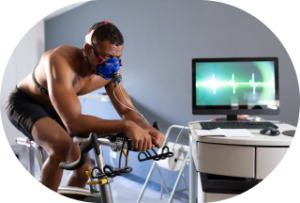
VO2 max
Finding out your VO2 max level can give us an insight into your aerobic health and overall cardiovascular fitness.
Book your consultation with Dr Ravi Assomull today
Looking after your heart is the most important thing you can do to improve your longevity and quality of life in the long term.
We’re here for you during your journey to better heart health. We provide tests and management strategies to help identify what might be wrong and where you can improve your lifestyle to reach prime heart health.
Book an appointment today to speak to our expert Integrative Cardiologist, Dr Ravi Assomull, about your heart concerns.
You can email us at: enquiries@cardiologist.london
Or call us at: 020 3576 2885
Frequently asked questions
Answers from the team at Cardiologist London. For personalised advice, book a consultation or call 020 3576 2885.
Can anxiety cause heart symptoms?
Yes. Anxiety can produce palpitations, a racing pulse, chest tightness and breathlessness - symptoms that overlap heavily with heart conditions. That overlap is exactly why unexplained symptoms deserve a proper cardiac assessment rather than assumption in either direction.
How do I know if it's anxiety or my heart?
You often can't reliably tell from symptoms alone. Simple tests - an ECG, ambulatory monitoring and sometimes an echocardiogram - can confirm whether the heart is healthy. A normal result is genuinely reassuring and often improves the anxiety itself.
Does long-term stress or anxiety affect the heart?
Chronic stress is associated with higher blood pressure and less healthy lifestyle patterns, which raise cardiovascular risk over time. Managing it - alongside blood pressure, cholesterol and sleep - is part of good preventive heart care.