
Palpitations
5.0 on GoogleChest related symptom
Book your consultation Call 020 3576 2885

 Registered. Regulated. Trusted.CQC-registered clinic · GMC-registered clinicians
Related heart conditions

Heart attack
A heart attack is when the blood supply to the heart gets blocked, causing damage to the muscle.
Tests to further investigate concerns
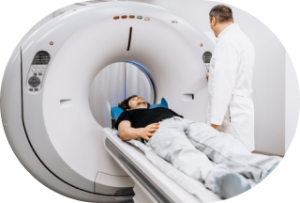
CT scan
A heart CT scan uses many X-rays from different angles to build images of your heart using a scanner and computer. This can help us see problems with the structures of the heart and issues with valves, arteries, and more.
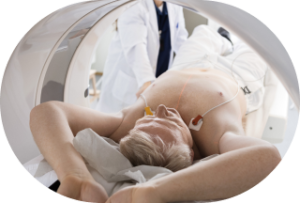
Heart MRI scan
We can use MRI scans to see a detailed picture of your heart and blood vessels without needing invasive processes.

Stress tests
This test involves monitoring your heart rate whilst you are exercising – either on a treadmill or an exercise bike. This can help us detect any abnormalities while you are overexerting your heart.
Book your consultation with Dr Ravi Assomull today
Looking after your heart is the most important thing you can do to improve your longevity and quality of life in the long term.
We’re here for you during your journey to better heart health. We provide tests and management strategies to help identify what might be wrong and where you can improve your lifestyle to reach prime heart health.

Book an appointment today to speak to our expert Integrative Cardiologist, Dr Ravi Assomull, about your heart concerns.
You can email us at: enquiries@cardiologist.london
Or call us at: 020 3576 2885
Frequently asked questions
Short answers from Dr Ravi Assomull, consultant cardiologist - each one is also available as a video.
What are heart palpitations?
Palpitations are the sensation of being aware of your heartbeat. In this video, Dr Ravi Assomull explains when palpitations are benign and when medical assessment is needed. Watch Dr Assomull's answer (0:21).
What can cause heart palpitations?
Palpitations are often triggered by lifestyle factors such as stress, caffeine, or lack of sleep. In this video, Dr Ravi Assomull explains when palpitations are benign and when atrial fibrillation should be considered. Watch Dr Assomull's answer (0:45).
Are heart palpitations a cause for concern?
Heart palpitations are usually benign but can occasionally signal a more serious heart rhythm problem. In this video, Dr Ravi Assomull explains when palpitations are harmless and when symptoms such as breathlessness or dizziness require further investigation. Watch Dr Assomull's answer (0:37).
How can I stop heart palpitations?
Palpitations often settle with simple lifestyle changes such as reducing caffeine, alcohol, and stress. In this video, Dr Ravi Assomull explains how identifying triggers can help symptoms resolve. Watch Dr Assomull's answer (0:35).