
Confusion/difficulty concentrating
5.0 on GoogleHead/mental health-related symptom
Confusion can happen for several reasons, but it may be a sign of a serious underlying heart concern. Learn more about what can cause this symptom and when to seek medical advice.
Book your consultation Call 020 3576 2885

 Registered. Regulated. Trusted.CQC-registered clinic · GMC-registered clinicians
Experiencing confusion can be concerning, but the team and I are here to help. We can help you get to the bottom of what may be troubling you and investigate any serious heart concerns.


Dr Ravi Assomull, Consultant Cardiologist and Founder
Tests to further investigate concerns
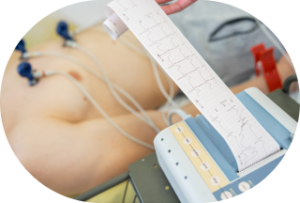
Electrocardiogram (ECG or EKG)
An electrocardiogram is a test that measures and records your heart’s electrical activity and rhythm, including the strength and speed of your heartbeat.

Chest X-ray
A chest X-ray is a scan that can provide images of the heart, lungs, blood vessels, and much more. It helps show us the size and shape of the heart and detect any abnormalities.
Book your consultation with Dr Ravi Assomull today
Looking after your heart is the most important thing you can do to improve your longevity and quality of life in the long term.
We’re here for you during your journey to better heart health. We provide tests and management strategies to help identify what might be wrong and where you can improve your lifestyle to reach prime heart health.

Book an appointment today to speak to our expert Integrative Cardiologist, Dr Ravi Assomull, about your heart concerns.
You can email us at: enquiries@cardiologist.london
Or call us at: 020 3576 2885
Frequently asked questions
Answers from the team at Cardiologist London. For personalised advice, book a consultation or call 020 3576 2885.
Can heart problems cause confusion or poor concentration?
They can. If the heart pumps less effectively - as in heart failure or some rhythm problems - blood flow to the brain can fall, causing brain fog, poor concentration or episodes of confusion, particularly in older adults.
When should confusion be treated as an emergency?
Sudden confusion is a medical emergency - call 999, especially with face drooping, arm weakness or slurred speech (possible stroke), or with chest pain, breathlessness or an irregular pulse.
What heart tests are useful for unexplained brain fog?
An ECG and ambulatory monitor look for rhythm problems such as atrial fibrillation (a common, treatable cause), blood tests exclude anaemia and thyroid disease, an echocardiogram assesses pumping function, and a 24-hour blood pressure monitor picks up pressure swings.